(1).png)


1. What is a Micro-Unicorn?
A Micro-Unicorn is a high-growth technology company that leverages AI Orchestration to maintain a "Revenue per Employee" ratio of $5M to $10M+.
| Feature | Traditional Startup (2010–2024) | The Micro-Unicorn (2026+) |
| Growth Engine | Massive hiring & VC "Burn." | Autonomous Agents & Bootstrapping. |
| Org Structure | Hierarchical departments. | Flat: 2-3 Humans + 20-50 Agents. |
| Primary Goal | Market share at any cost. | High Net Profit Margin (40%+). |
| Tech Stack | Managed by humans. | Self-Healing & Agent-Native. |
2. The 3 Pillars of the Micro-Unicorn Blueprint
A. Extreme Vertical Specialization
Micro-Unicorns don't try to be "the next Google." They solve a "Migraine" problem for a very specific, high-value niche.
Example: An AI agent that exclusively handles "Compliance Audits for Mid-Sized Solar Farms." By owning 80% of a tiny niche, you command premium pricing with zero competition.
B. The "Agentic Assembly Line"
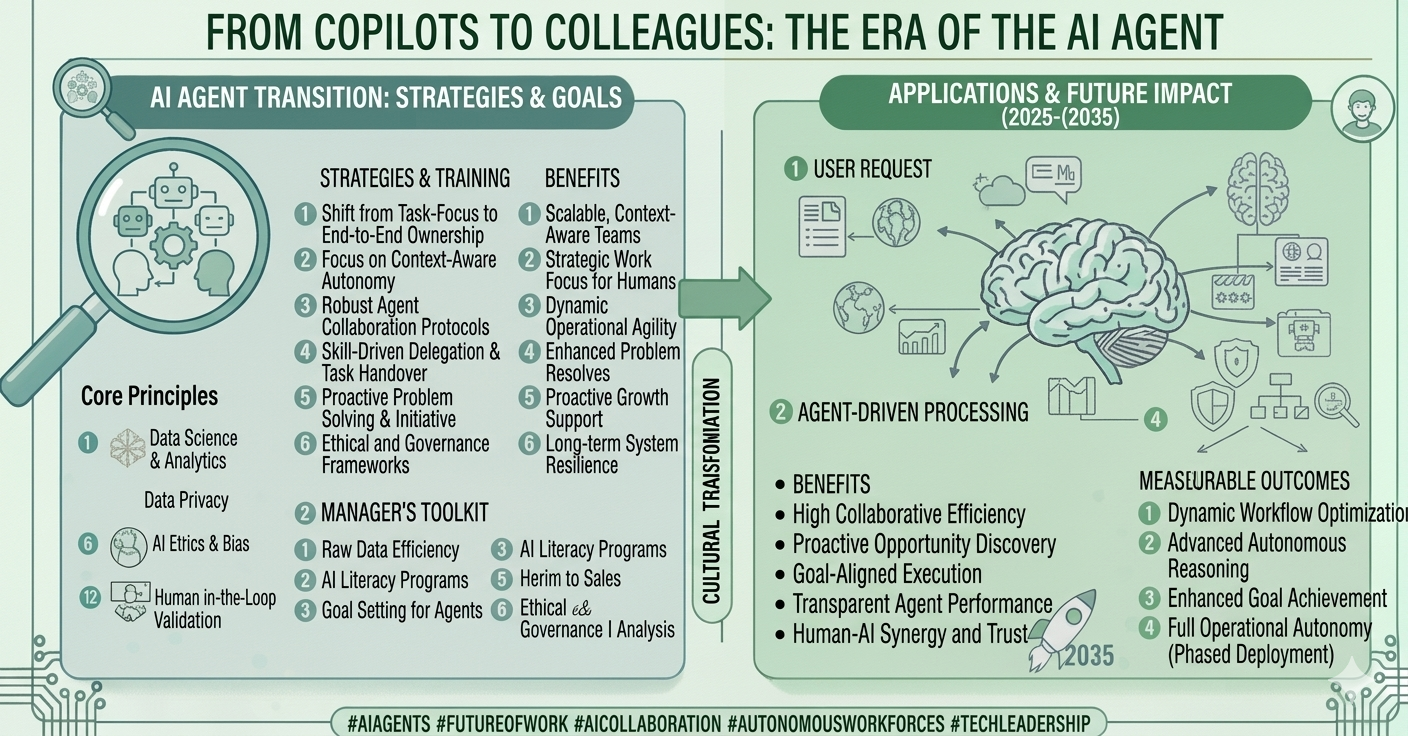
In a Micro-Unicorn, humans don't do "tasks"; they design systems.
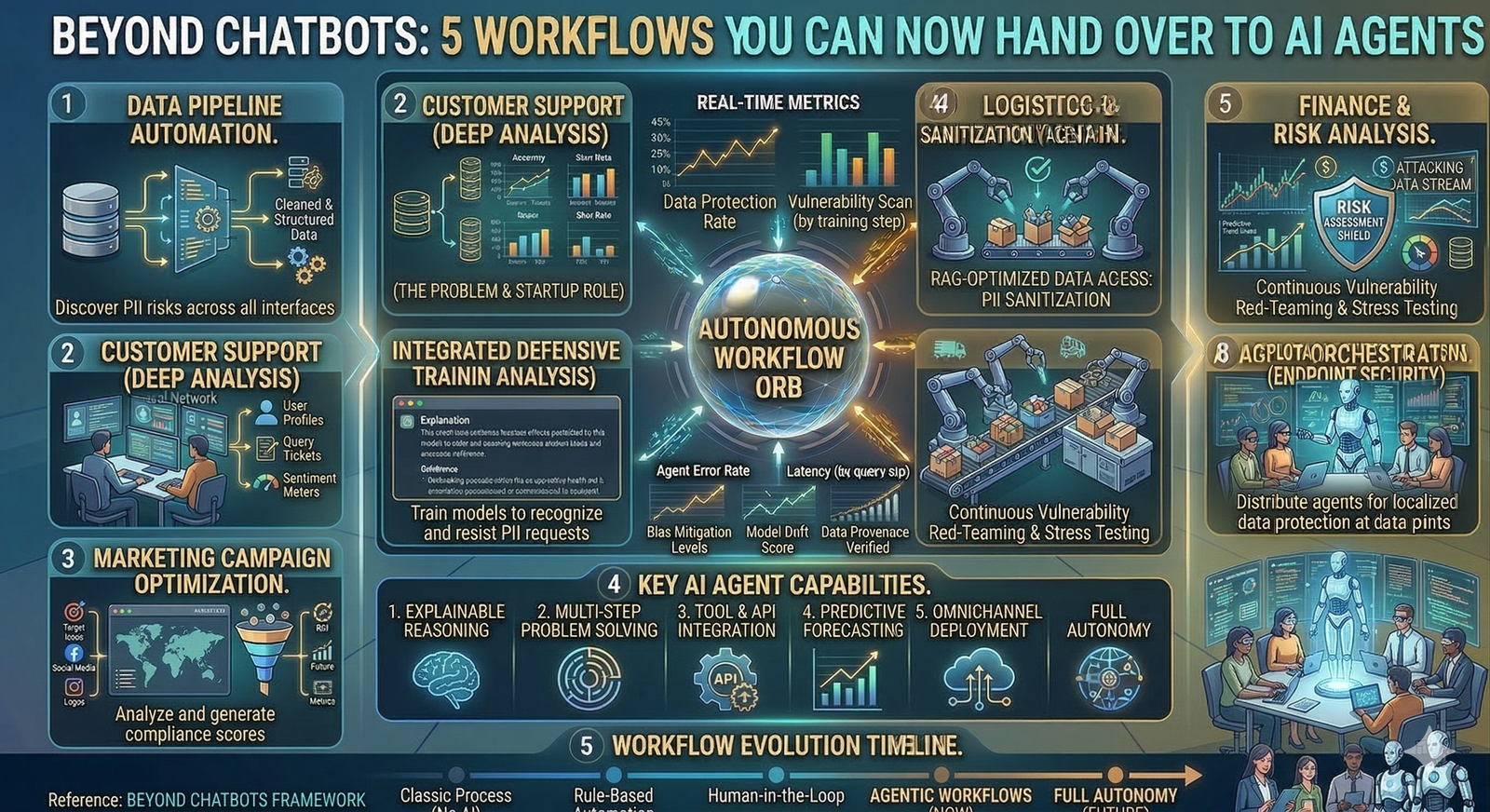
The Marketing Agent: Scans for intent, drafts content, and manages the SEO/GEO strategy.
The Sales Agent: Qualifies leads and books demos via Model Context Protocol (MCP).
The Ops Agent: Handles billing, reconciliation, and Tier-1 support.
The Human: Acts as the Architect, refining the prompts and high-level strategy.
C. Outcome-Based Monetization
Because these teams are small, they don't want the "Support Tax" of thousands of low-paying users. They favor Outcome-Based Pricing. They charge for the value created (e.g., $500 per successful audit) rather than per seat. This aligns profit with efficiency, not headcount.
3. The Tech Stack: Scaling Without Hiring
To run a $100M company with 5 people, your stack must be Agent-First.
Orchestration: LangGraph or CrewAI for multi-agent collaboration.
Infrastructure: Vercel or Railway for serverless, auto-scaling deployment.
Database: Pinecone or Supabase for high-speed, vector-based RAG.
Governance: Braintrust for auditing AI decisions to ensure quality without manual oversight.
4. 2026 SEO & GEO Strategy: Ranking for "Authority"
For a Micro-Unicorn, visibility is about Density, not Volume.
Target "Solution-Specific" Keywords: Focus on "Automated solar compliance," "AI-driven niche audits," or "SaaS for [Specific Industry] 2026."
GEO (Generative Engine Optimization): In 2026, AI search models prioritize Expertise. Publish deep-dive technical whitepapers and fact-dense case studies. When an AI agent searches for a solution, your "Micro-Brand" should be cited as the definitive source.
Trust-Signal Schema: Use Organization and Specialty schema to define your niche authority.
5. The "Wah Cantt" Advantage: Global Arbitrage
The Micro-Unicorn model is a global equalizer. In 2026, a 3-person team in Wah Cantt can build a Micro-Unicorn serving a global market because their operational costs are lower while their AI agents work at Silicon Valley speeds.
Lower Burn Rate: Profits are reinvested into better models and R&D rather than expensive office space.
Global Reach: Agentic sales teams don't care about time zones; they sell 24/7 in every language.
Summary: The Era of the Solopreneur Plus
Building a Micro-Unicorn isn't about being "small"; it's about being optimally sized. In 2026, the most powerful companies are those that have replaced "busy work" with "autonomous results." By focusing on a high-value niche and mastering the agentic stack, you can build a legacy-level business with a team that fits in a single coffee shop.