(1).png)


1. The Death of "Search and Find," The Birth of "Declare and Execute"
In 2024, a user would search for "how to generate a quarterly report." In 2026, that same user simply says, "Generate the quarterly report, highlight the 15% dip in North Punjab, and Slack it to the board."
The Search Bar (Reactive): Requires the user to know the terminology, find the module, and perform the steps.
The Do-Engine (Proactive): Understands intent, orchestrates the internal APIs, and completes the task. It moves the user from "Operator" to "Supervisor."
2. Why "Search" is Now a Friction Point
According to 2026 UX benchmarks, every second a user spends navigating a menu or sifting through search results is considered "Interface Tax."
| User Experience | The Search Bar Era | The Do-Engine Era |
| Cognitive Load | High: User must remember where features live. | Zero: User speaks their goal; AI handles the "how." |
| Workflow Speed | Minutes: Multiple clicks and page loads. | Seconds: Immediate background execution. |
| Onboarding | Days: Requires training and documentation. | Instant: Natural language is the only manual. |
| Accessibility | Limited by visual design and menu logic. | Universal: Voice and text-driven execution. |
3. The Architecture of a Do-Engine: Beyond the Chatbox
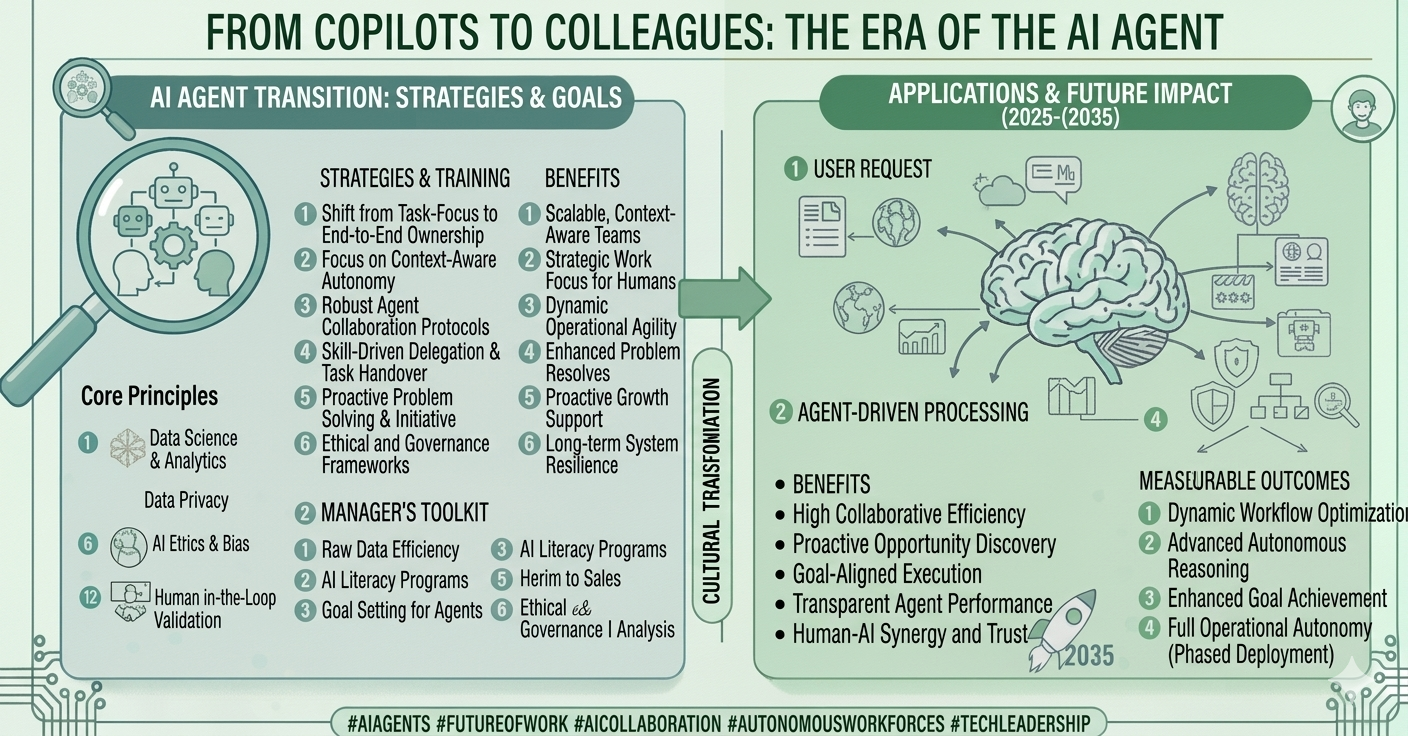
A "Do-Engine" isn't just a chatbot tacked onto your sidebar. It is a deep integration of Agentic AI and Generative UI (GenUI).
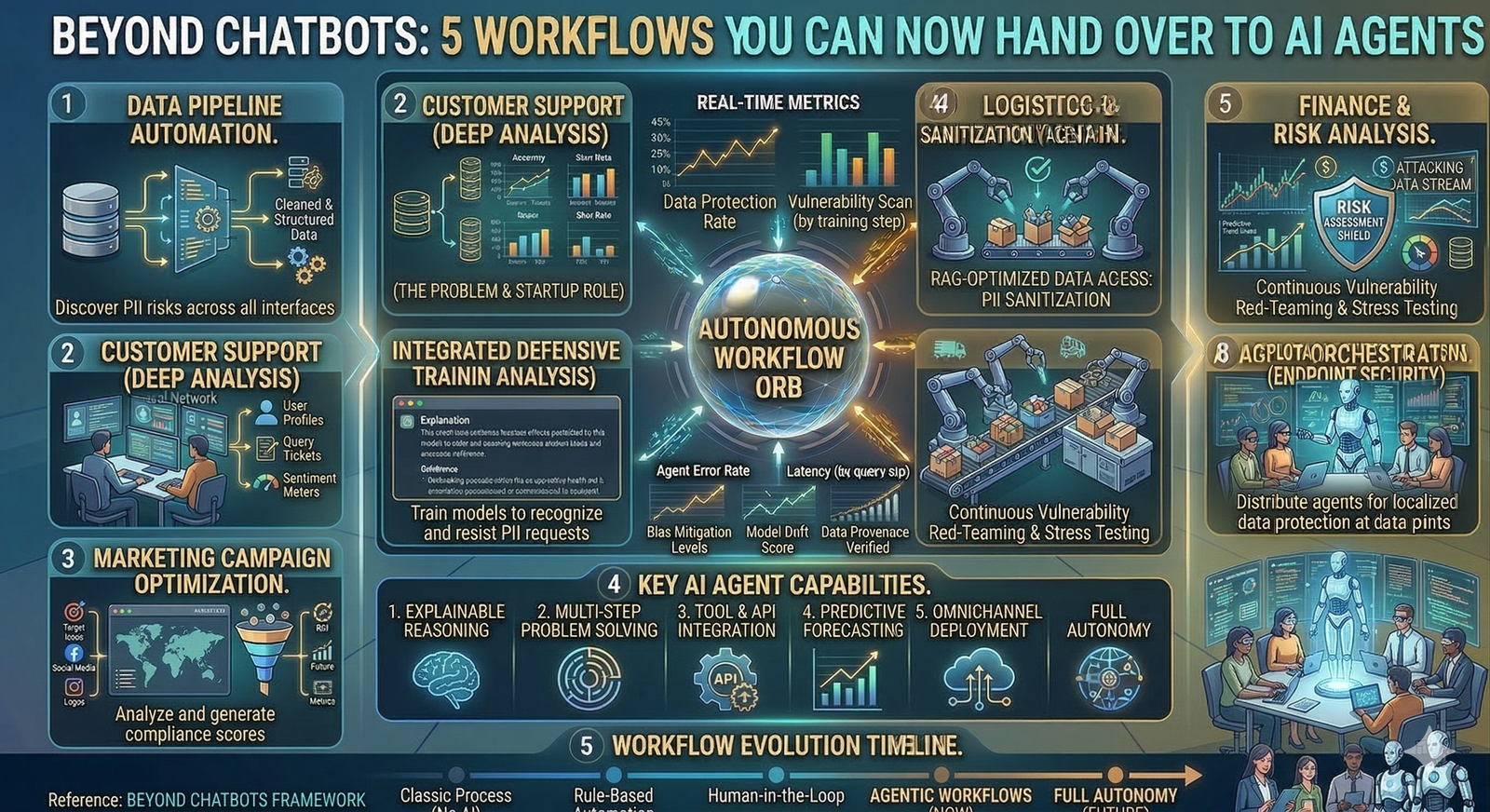
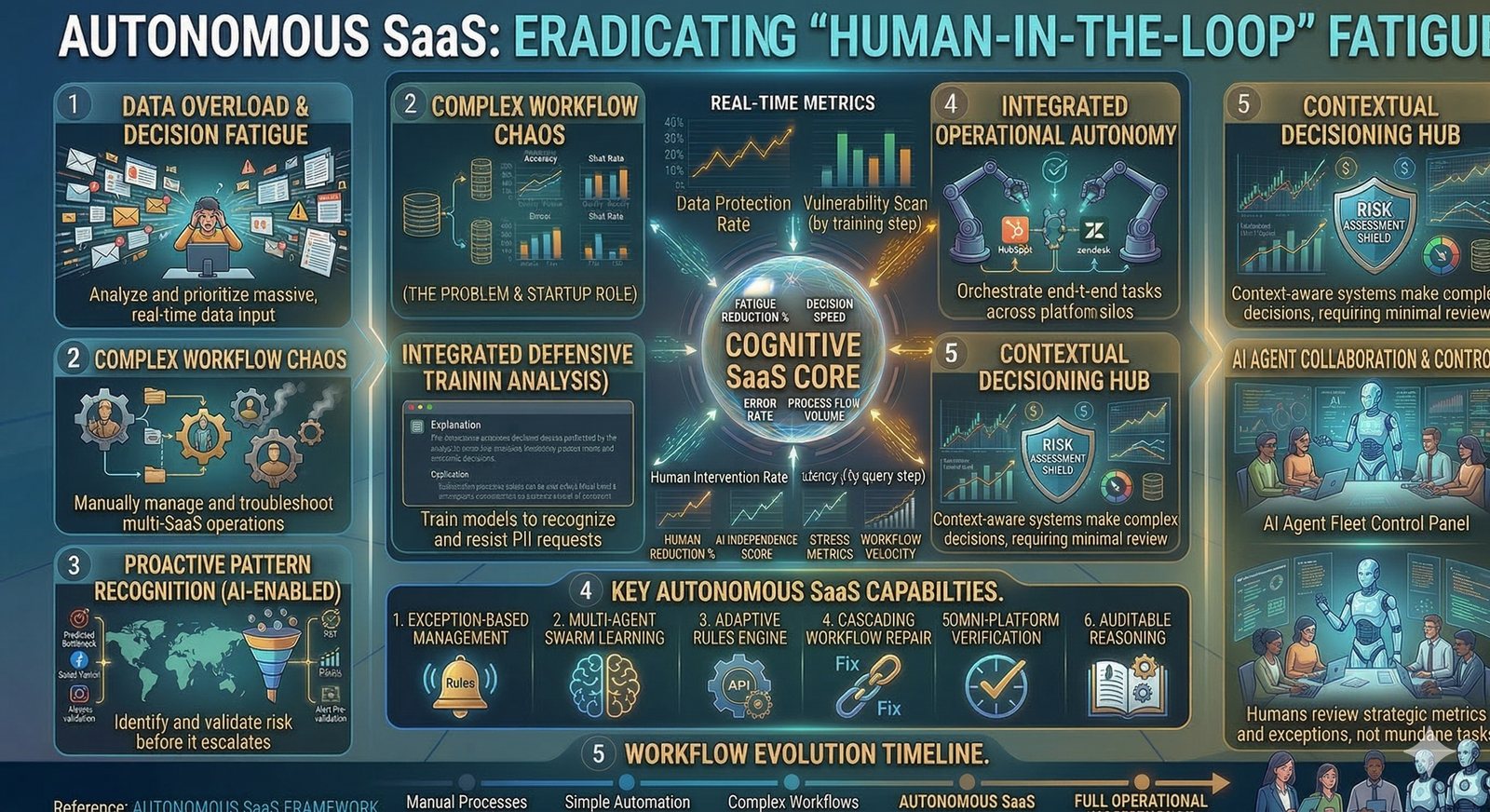
Agentic Orchestration: The engine doesn't just return text; it triggers a chain of "Digital Employees" (Agents). For example, a "Billing Agent" works with a "Data Agent" to resolve a payment discrepancy autonomously.
Generative UI (GenUI): Instead of a static dashboard, the interface materializes around the task. If you ask to "reconcile accounts," the software generates a purpose-built workspace with only the ledgers and buttons you need for that specific moment.
Persistent Context: Unlike a search bar that "forgets" your query, a Do-Engine maintains State. It knows that when you say "Send it," you are referring to the report it just finished drafting.
4. 2026 SEO & GEO Strategy: Ranking for "Action Intent"
The rise of Do-Engines is changing how SaaS products are discovered. In 2026, we focus on Generative Engine Optimization (GEO).
Optimize for "Actionable Citations": AI search agents (like Gemini 3 and SearchGPT) prioritize SaaS tools that have clear, machine-readable APIs. If an AI "Do-Engine" can easily plug into your software to solve a user's problem, you become the primary recommendation.
Schema for Agents: Use Model Context Protocol (MCP) to help external AI agents understand your app's deep logic. This is the 2026 equivalent of "Technical SEO."
Outcome-Based Keywords: Instead of ranking for "best CRM software," focus on "autonomous lead qualification" and "self-driving sales pipelines."
5. Case Study: The "Do-Engine" in Action
Imagine a small business in Wah Cantt using an AI-native HR platform.
Old Way: The owner searches "onboarding checklist," downloads a PDF, manually creates a user, and sends five emails.
Do-Engine Way: The owner types: "Onboard Mehran Saeed as our new Dev. Give him access to the Laravel repo and set up his workstation by Monday."
The Result: The Do-Engine triggers the IT agent, the HR agent, and the Procurement agent. The work is done, not just searched for.
Summary: Don't Build a Library, Build a Factory
In 2026, the search bar is a library—a place where information sits and waits. The Do-Engine is a factory—a place where work actually happens. If your SaaS helps people find things, you are a utility. If your SaaS does things, you are a necessity.