(1).png)


1. The 2026 Shift: From Micro-Management to Exception-Handling
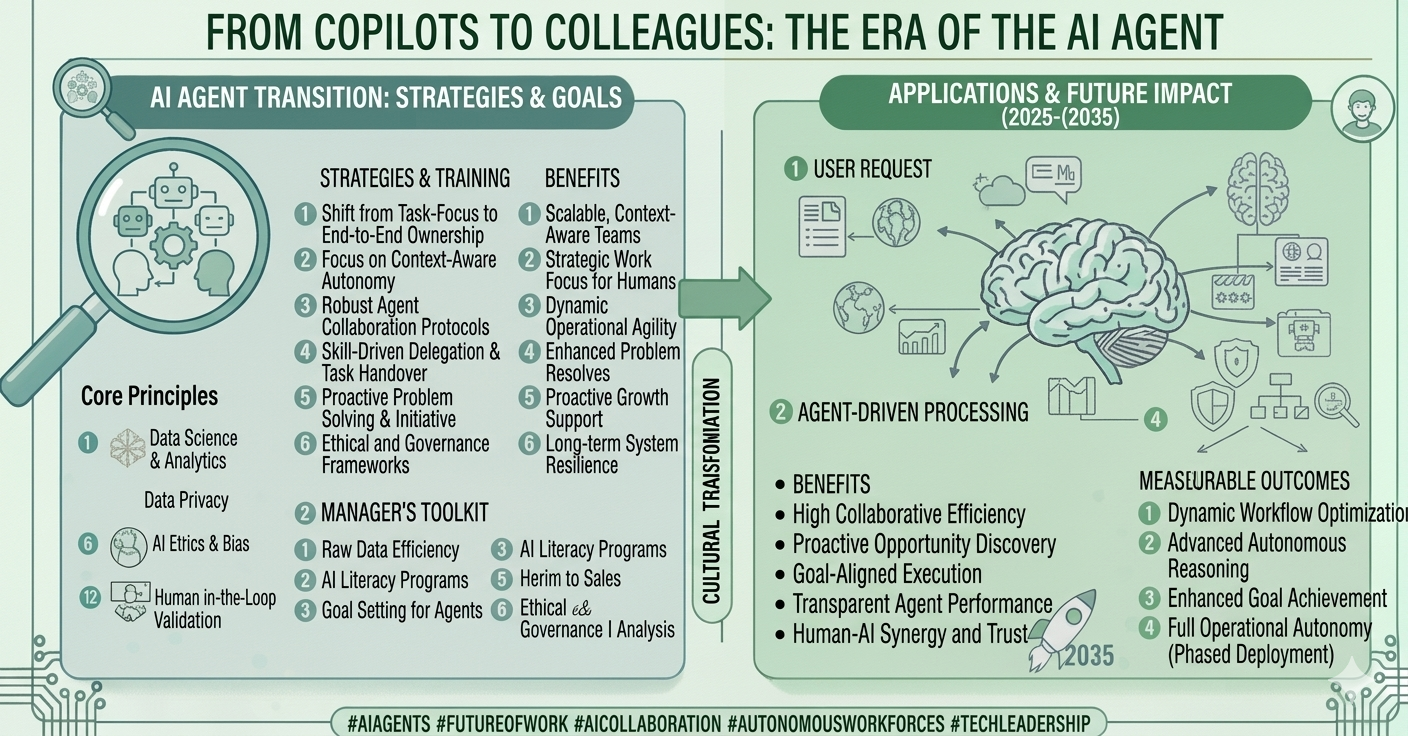
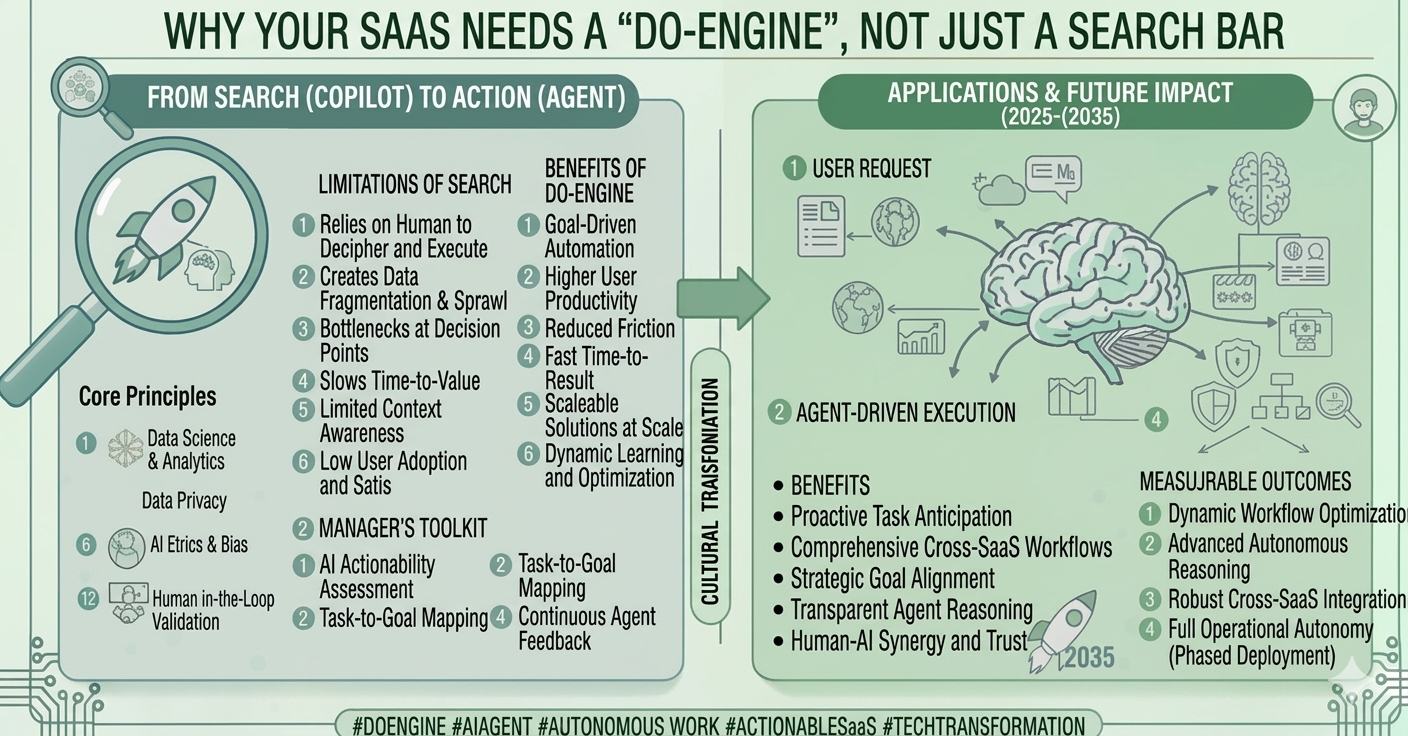
In 2024, a "Copilot" would draft an email and wait for you to click "Send." In 2026, an Autonomous Agent manages the entire sequence and only pings you when a "High-Value Exception" occurs.
The Old HITL: AI generates 50 social media posts; a human must read and approve every single one. (Result: Burnout).
The Autonomous SaaS: The AI is given a "Brand Governance Policy." It researches, drafts, and publishes 49 posts autonomously, only flagging the 50th post because it mentions a sensitive geopolitical event that requires a human judgment call.
2. Solving "Review Fatigue" with Agentic Orchestration
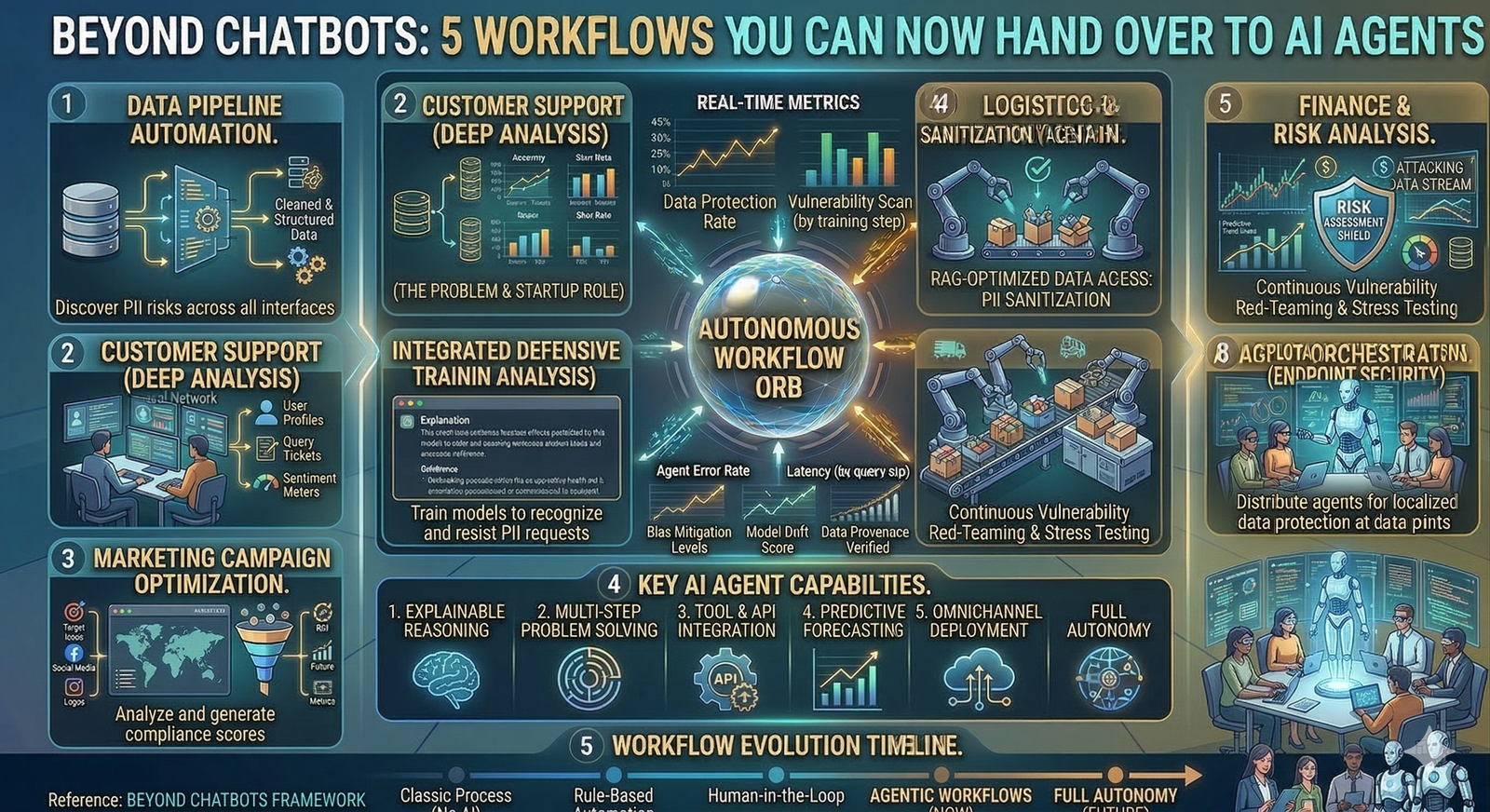
Autonomous SaaS platforms now utilize Multi-Agent Systems to act as their own internal QA. This "Self-Correction" loop drastically reduces the number of errors that a human eventually has to fix.
| Feature | Legacy AI (Copilot) | Autonomous SaaS (Agent) |
| Validation | Requires human to fact-check. | Self-Validating: AI Agent A checks the work of AI Agent B. |
| Connectivity | Static integrations. | Dynamic API Use: Can navigate software to find missing data. |
| Context | Session-based (forgets). | Persistent Memory: Remembers past human corrections. |
| Human Input | Required at every step. | Required at the Goal-Setting stage. |
3. High-Impact Use Cases Reducing Burnout
Autonomous Customer Support
Instead of a human agent reading every transcript to "approve" a refund, 2026 support platforms use Rule-Based Autonomy. If a refund is under $100 and the customer has a 5-star loyalty rating, the AI executes the refund instantly. The human "colleague" only steps in for complex disputes or high-value accounts.
Self-Healing DevOps
For developers in Wah Cantt and tech hubs globally, "On-call" fatigue is being mitigated by autonomous monitoring. If a server experiences a 500-error, the AI doesn't just send a 3:00 AM alert; it identifies the rogue deployment, rolls it back, and sends a summary report for the developer to review at 9:00 AM.
4. The 2026 Tech Stack: Powering Autonomy
To achieve this level of autonomy without losing control, SaaS founders are integrating:
LangGraph for State Management: Allowing agents to "pause" and "resume" tasks without losing progress.
Verifiable Logs: Every autonomous action is logged in a machine-readable format for the EU AI Act compliance.
Confidence Thresholds: The software is programmed to only "ask for help" if its internal confidence score drops below 92%.
5. 2026 SEO Strategy: Ranking for "Efficiency Outcomes"
As search engines evolve into Answer Engines, your content must focus on the ROI of Autonomy.
Target "Fatigue" Keywords: Focus on "Review fatigue solutions," "Reducing AI hallucinations in SaaS," and "Autonomous workflow benchmarks."
GEO Optimization: Use direct, data-heavy headers. AI search models (Gemini 3, SearchGPT) prioritize sources that provide specific "Time-Saved" metrics.
Trust Signal Schema: Use Review and Organization schema to show that your autonomous systems are audited and trusted by human experts.
Summary: Moving from Operator to Architect
In 2026, the goal of SaaS is no longer to make people "faster" at doing tasks; it is to remove the tasks entirely. By reducing "Human-in-the-Loop" fatigue, Autonomous SaaS allows professionals to reclaim their cognitive bandwidth for high-level strategy, creativity, and relationship building.