(1).png)


1. The Core Distinction: Instruction vs. Intent
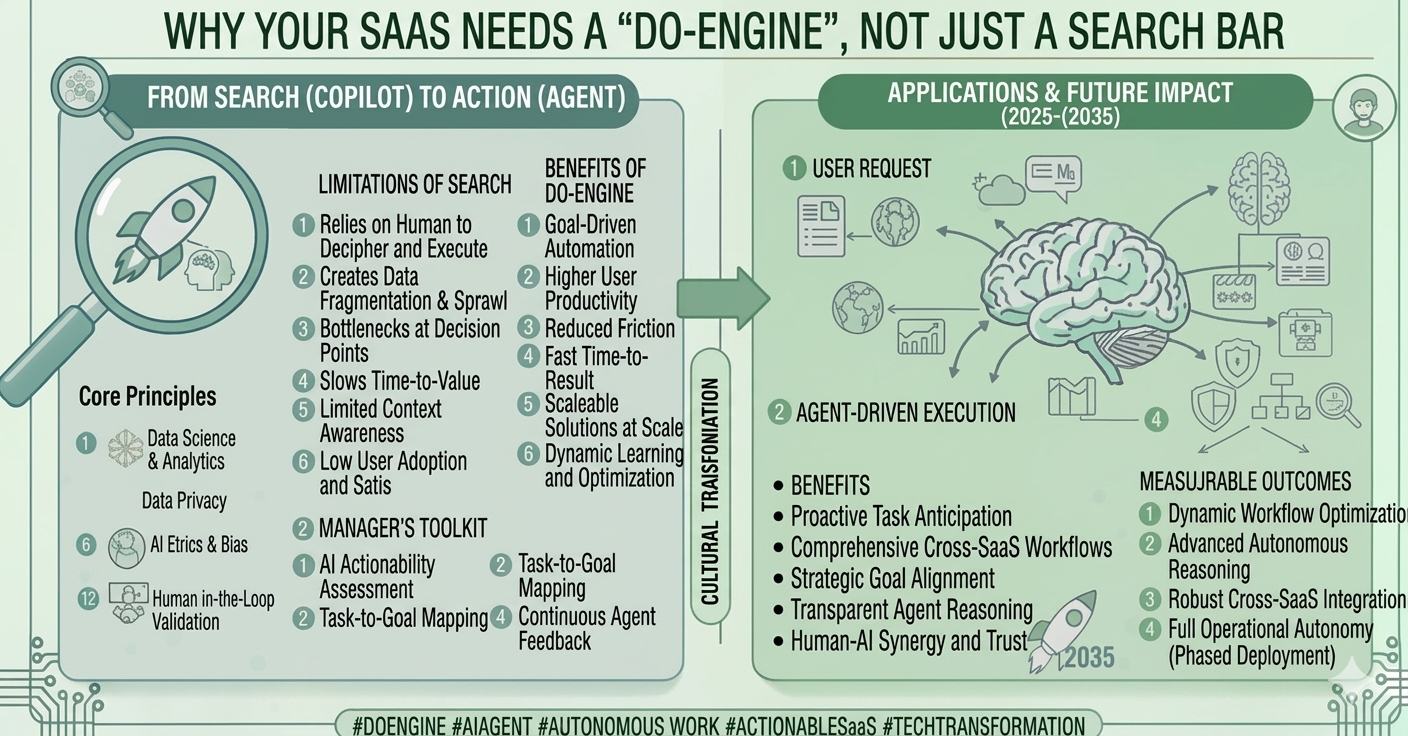
The "AI-First" era was defined by Instructional AI. You had a search bar or a chatbot, and you gave it a specific command: "Draft an email," or "Find this data."
The Agent-Native era is defined by Intent-Driven Intelligence. You no longer give instructions; you declare an objective.
| Feature | The AI-First Era (2023–2025) | The Agent-Native Era (2026+) |
| User Role | Operator: Constant "Human-in-the-loop" prompting. | Supervisor: Setting goals and guardrails. |
| Software Goal | Assistance: Helping you do the task faster. | Outcome: Completing the task autonomously. |
| Logic | Linear and reactive. | Agentic: Planning, reasoning, and self-correcting. |
| Integration | Bolted-on "Copilots" and sidebars. | Deep-Integrated: AI is the core runtime. |
2. Why "AI-First" Failed to Scale
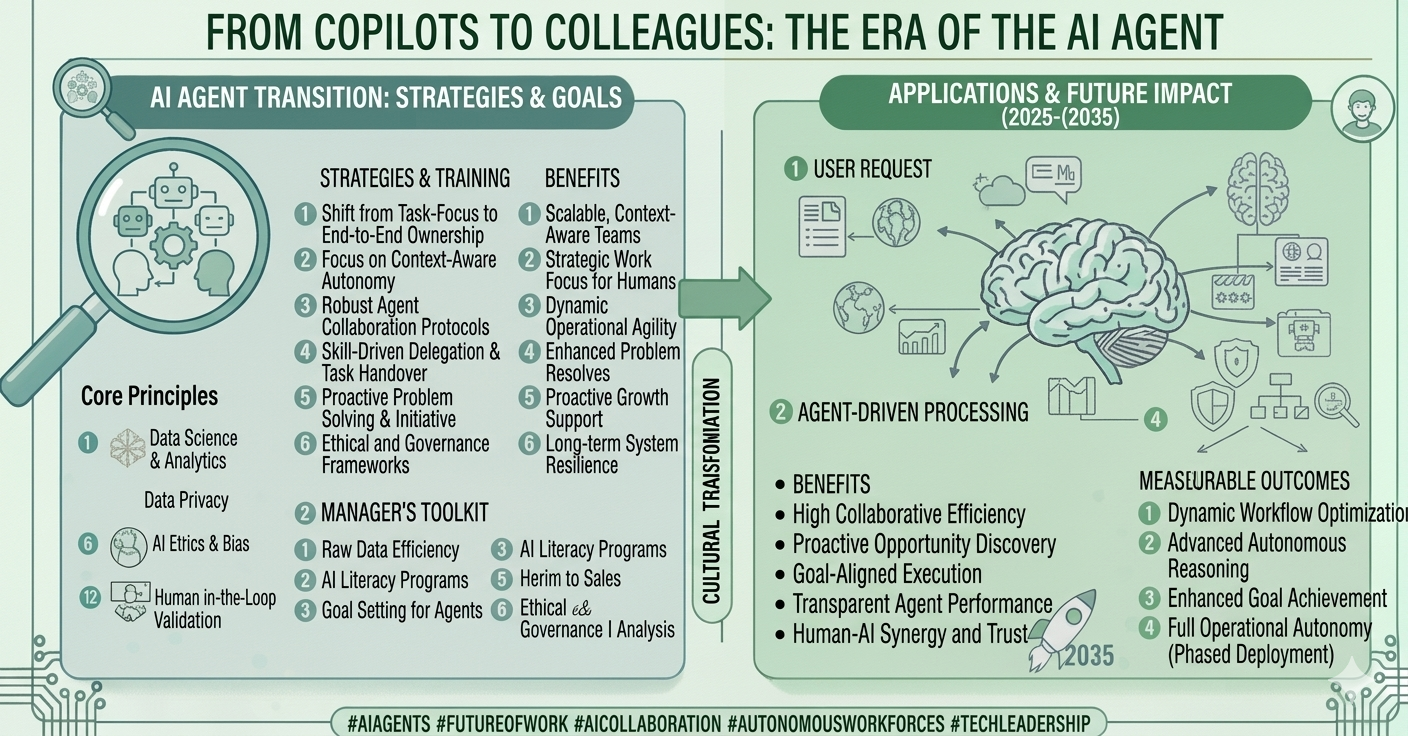
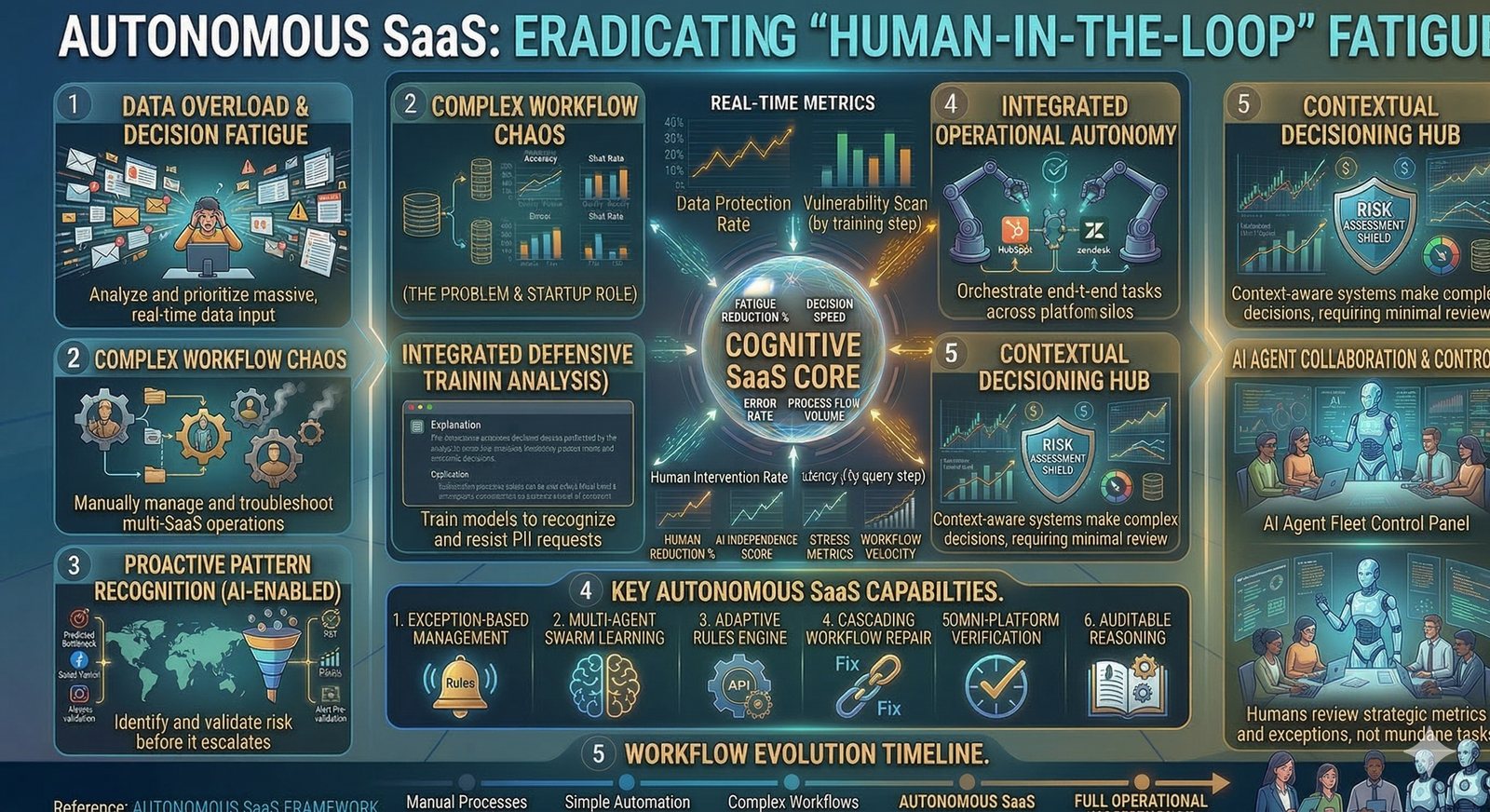
By 2025, many enterprises hit what is now known as "Copilot Fatigue." Having an AI assistant in every app (Word, Slack, Salesforce, Jira) meant humans were spending more time managing their AI assistants than actually working.
"AI-First" created a world of smarter silos. Agent-Native software breaks those silos by using Multi-Agent Orchestration. These systems don't just "talk" to you; they talk to each other via protocols like the Model Context Protocol (MCP), executing complex workflows across your entire tech stack without a single manual click.
3. The 3 Pillars of Agent-Native Software
A. Autonomous Reasoning (The "Brain")
Agent-native apps aren't just predicting the next word; they are simulating outcomes. In 2026, software uses "Internal Monologues" to evaluate multiple paths to a goal, choosing the most efficient one based on cost, speed, and accuracy.
B. Tool-Fluency (The "Hands")
While AI-first apps "suggested" tools, agent-native apps own the tools. They navigate APIs, browse the live web, and operate legacy software as "Digital Workers." If an agent encounters a broken link or a changed UI, it adapts in real-time.
C. Persistent Memory (The "Experience")
Agent-native systems have a "Long-Term Memory" layer. They remember your preferences, past successful strategies, and brand-voice nuances across weeks of operations. They don't just "reset" at the end of a chat session.
4. 2026 SEO & GEO: Ranking for "Machine-Driven Search"
In the Agent-Native era, your website's primary visitor is no longer a human—it's an AI Agent acting on behalf of a human. This has birthed Generative Engine Optimization (GEO).
Documentation as SEO: AI agents in 2026 "consume" help centers and technical documentation to solve user problems. If your docs are machine-readable and highly structured (Q&A format), the agent will recommend your product as the solution.
The "Agent API" Endpoint: Savvy brands are now offering "Agent-only" feeds. Instead of scraping messy HTML, agents can pull clean, semantic data directly, ensuring your brand is cited accurately in AI summaries.
Citation Share of Voice: In 2026, the new "Page 1" is being the #1 citation in a Gemini or ChatGPT response.
5. The Business Impact: 10x Productivity
The shift to Agent-Native is not about "saving seconds"; it’s about "multiplying capability."
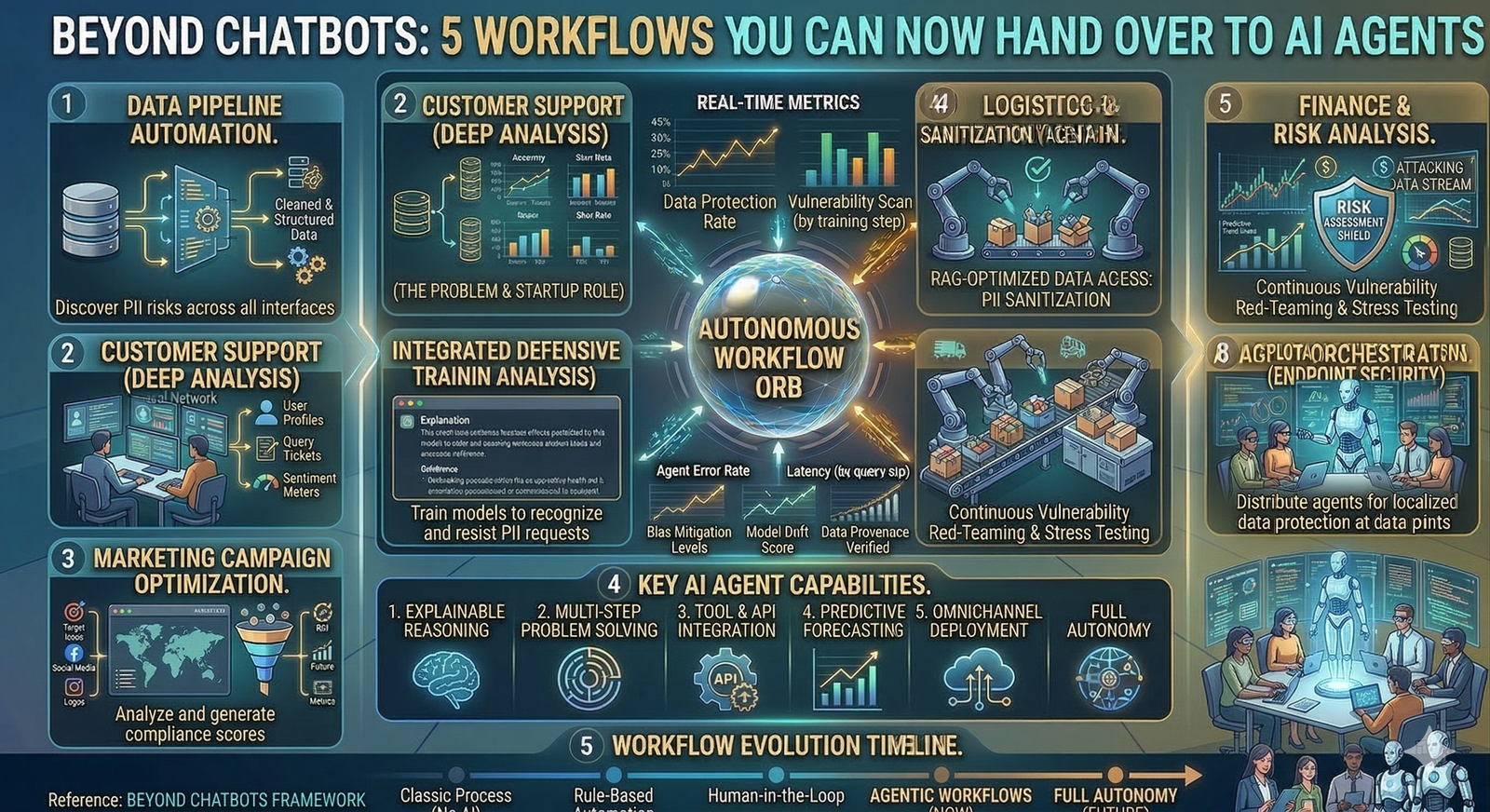
In Finance: Agents aren't just helping with "spreadsheets"; they are autonomously detecting anomalies, reconciling invoices, and preparing audit-ready reports.
In HR: Agents manage the entire onboarding lifecycle, from provisioning hardware to assigning training modules, only alerting a human for a "judgment call."
Summary: The End of the "User" Interface
In 2026, the most successful software is the kind you don't have to use. As we move from AI-First to Agent-Native, we are moving toward a world where technology is an invisible, autonomous force that delivers results while you focus on the strategy.