(1).png)


What is AI TRiSM? The Framework for AI Trust, Risk, and Security
AI TRiSM is a unified framework designed to ensure that AI systems are compliant, fair, reliable, and secure throughout their entire lifecycle. It moves AI governance from a "checkbox exercise" to a proactive, technical discipline that monitors AI behavior in real-time.
Organizations that implement AI TRiSM are projected to see a 50% increase in model adoption and user acceptance by late 2026.
The 4 Pillars of AI TRiSM
| Pillar | Focus Area | 2026 Objective |
| Explainability (Trust) | Transparency & Monitoring | Moving away from "black box" AI; every decision must be auditable and interpretable. |
| ModelOps (Risk) | Lifecycle Management | Continuous monitoring for Model Drift (accuracy decay) and bias detection. |
| AI Application Security | Defense & Resilience | Protecting against Adversarial Attacks (like prompt injection and data poisoning). |
| Data Protection (Privacy) | Information Governance | Ensuring PII (Personally Identifiable Information) is never leaked through training or inference. |
Why 2026 is the Year of "Governance by Design"
In 2024, TRiSM was a recommendation. In 2026, it is a survival requirement. The shift is driven by three major factors:
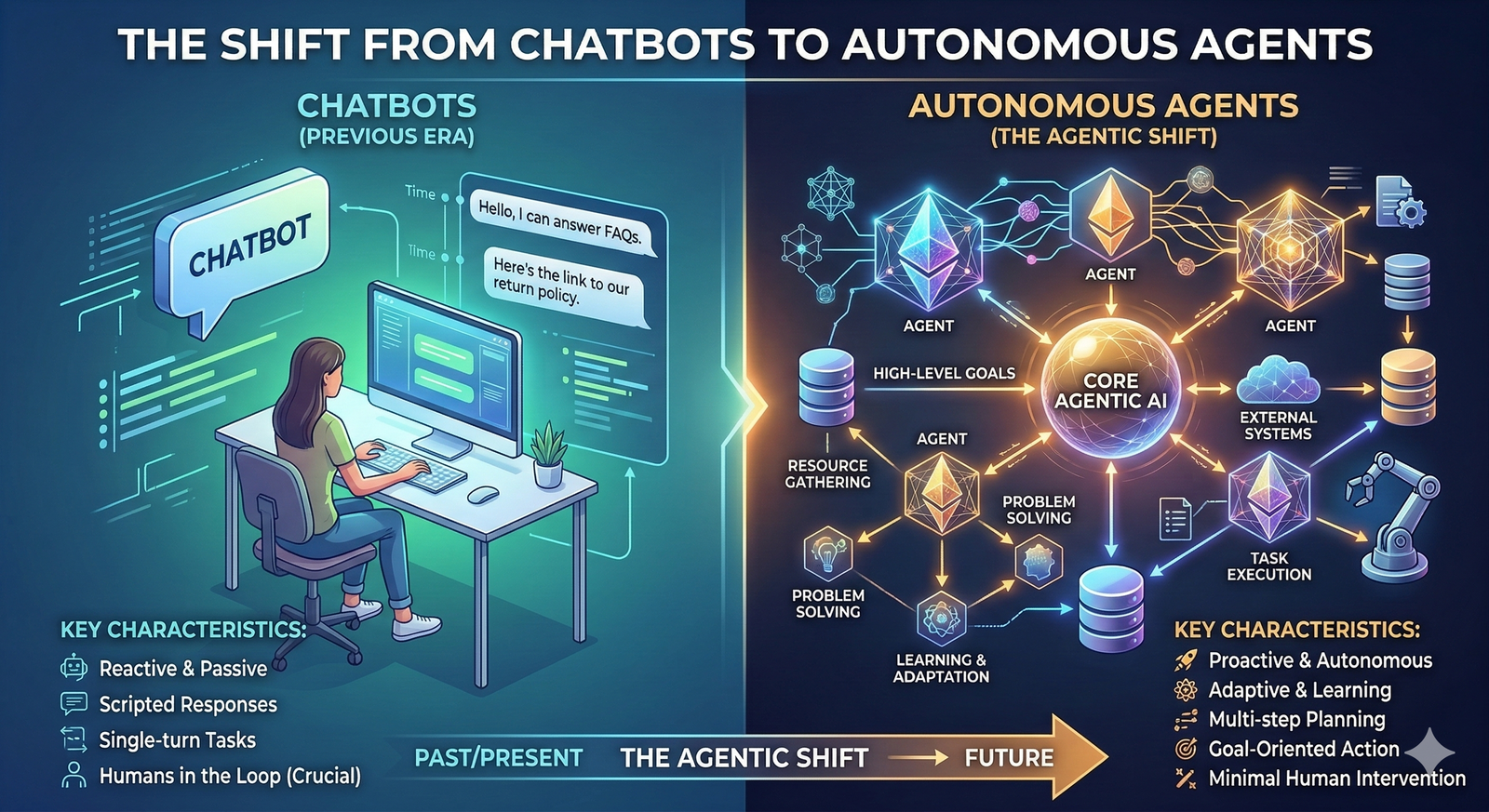
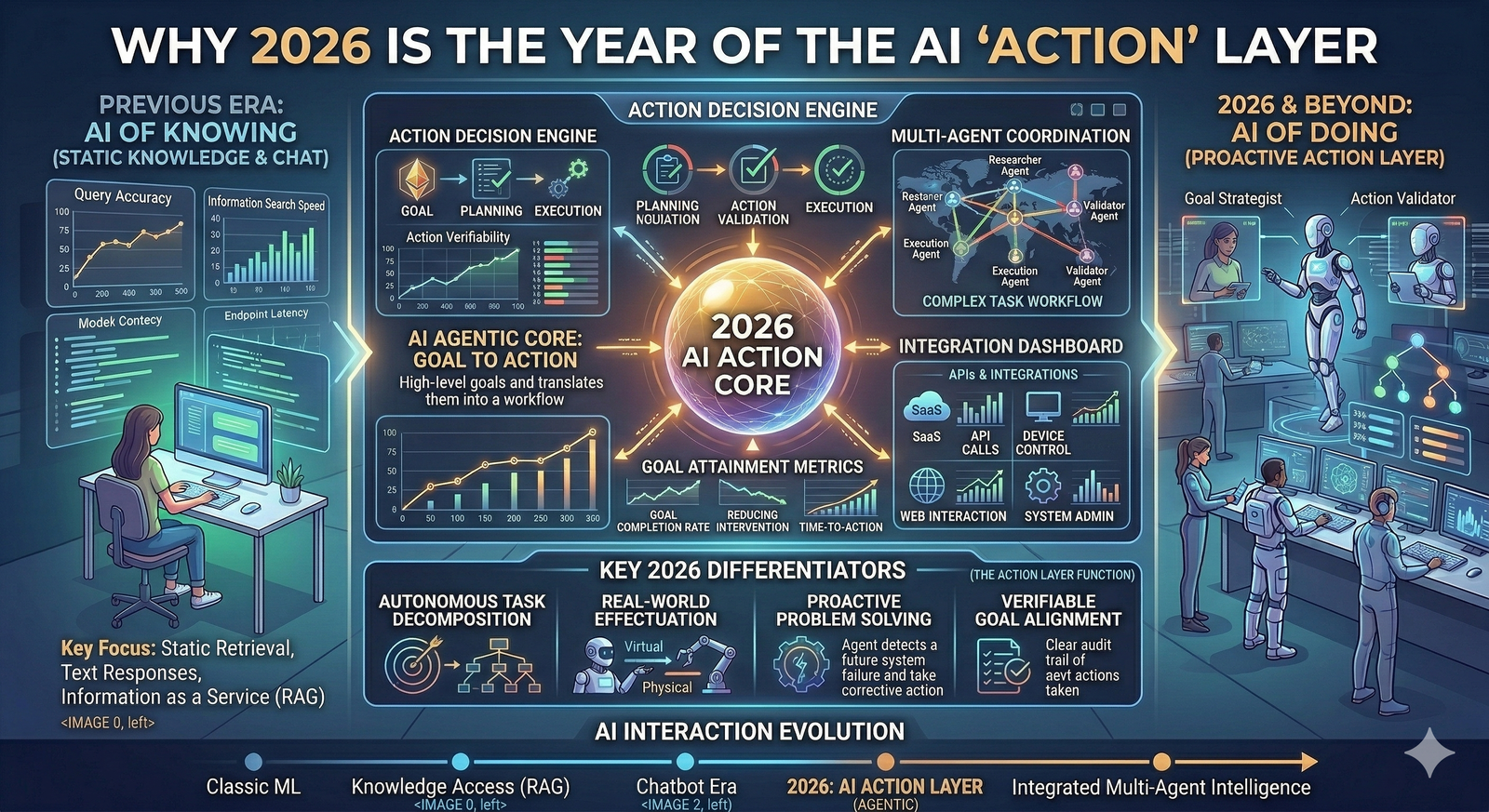
1. The Rise of Agentic AI
As autonomous agents gain the power to use tools and spend company money, the "attack surface" has changed. TRiSM provides the Guardrails that prevent an agent from making unauthorized purchases or accessing restricted databases.
2. Preemptive Cybersecurity
Traditional security is reactive. AI TRiSM enables Preemptive Cybersecurity, using AI to simulate attacks (Red Teaming) on your own models to find vulnerabilities before a malicious actor does.
3. Digital Provenance
With the flood of synthetic media, TRiSM incorporates Digital Provenance (like the C2PA standard). This proves that the data your AI is using—and the content it is producing—is authentic and untampered.
How to Implement AI TRiSM: A Technical Checklist
For software developers and IT leaders, implementing TRiSM isn't just about policy; it's about code.
AI Inventory & Cataloging: You cannot secure what you don't track. Create a central repository for every model, agent, and third-party API in use.
Runtime Inspection: Implement a "Firewall for LLMs" that inspects every input and output for sensitive data or toxic content.
Adversarial Testing: Regularly subject your agents to "stress tests"—can they be coerced into revealing system prompts or bypassing price limits?
Bias Auditing: Use tools like AIF360 or Fairlearn to check if your hiring or lending agents are discriminating against specific demographics.
The Verdict: Trust is the New ROI
In 2026, the most successful companies won't be the ones with the fastest AI, but the ones with the most trustworthy AI. By adopting the TRiSM framework, you turn "unpredictable algorithms" into "reliable digital workers."