(1).png)


What is Agentic AI? The Shift from Chatbots to Autonomous Agents
In the early days of generative AI, we were impressed by a chatbot’s ability to summarize a meeting or write an email. But there was a catch: you still had to copy that summary into your CRM, and you still had to click "send" on that email.
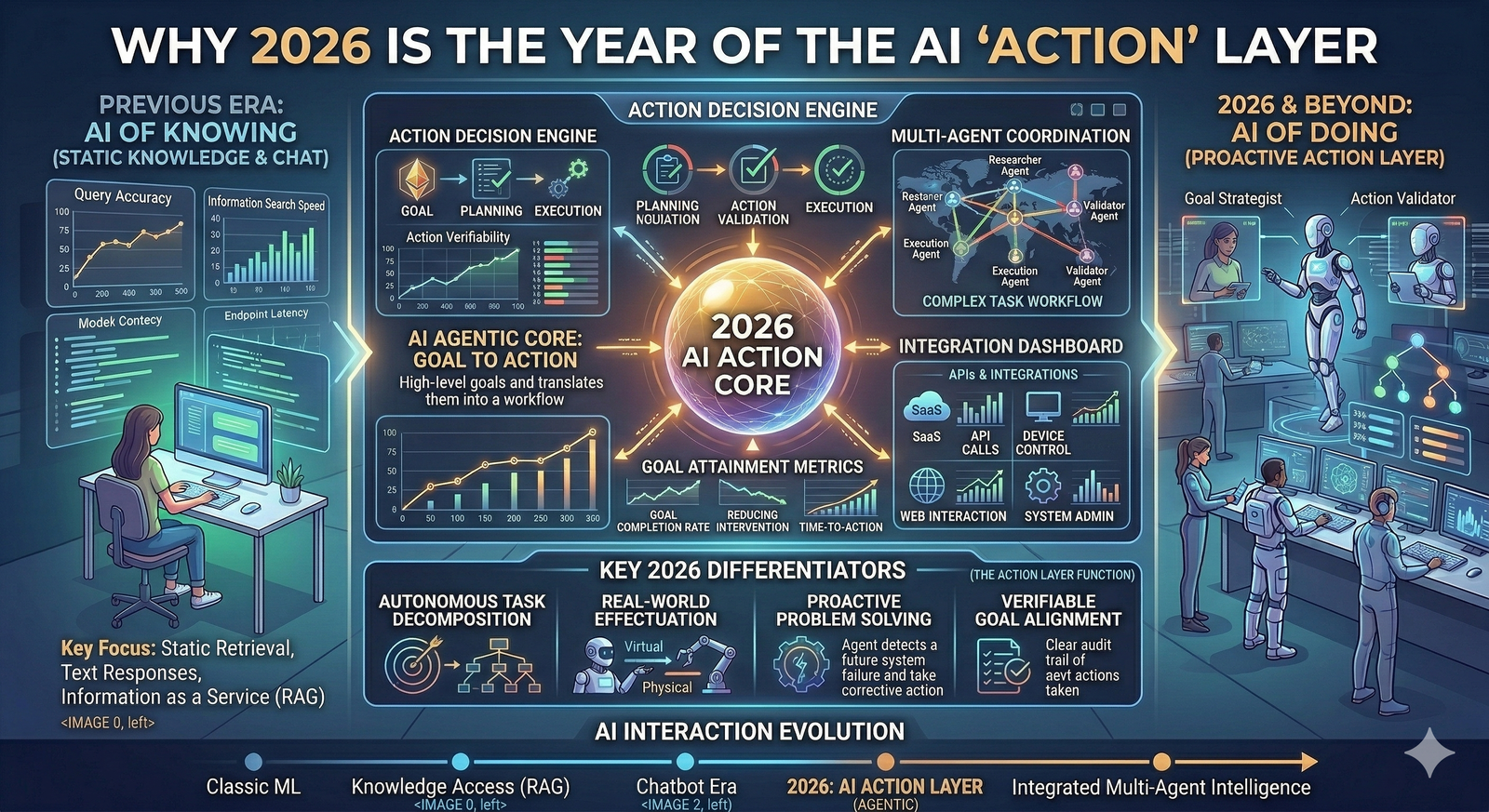
Agentic AI removes those manual steps. An AI agent is a system designed to achieve a goal by planning, making decisions, and using tools independently.
The Core Difference: Chatbots vs. Agents
| Feature | Traditional AI Chatbot | Agentic AI (Autonomous Agent) |
| Primary Function | Responds to specific prompts. | Executes end-to-end workflows. |
| Logic | Reactive (Wait for input). | Proactive (Self-initiates steps). |
| Capability | Generates text/images. | Uses APIs, interacts with software. |
| Planning | Linear (One prompt = One answer). | Multi-step (Breaks goals into tasks). |
| Memory | Short-term (Current session). | Long-term (Context & history). |
How Agentic AI Works: The "Reasoning Engine"
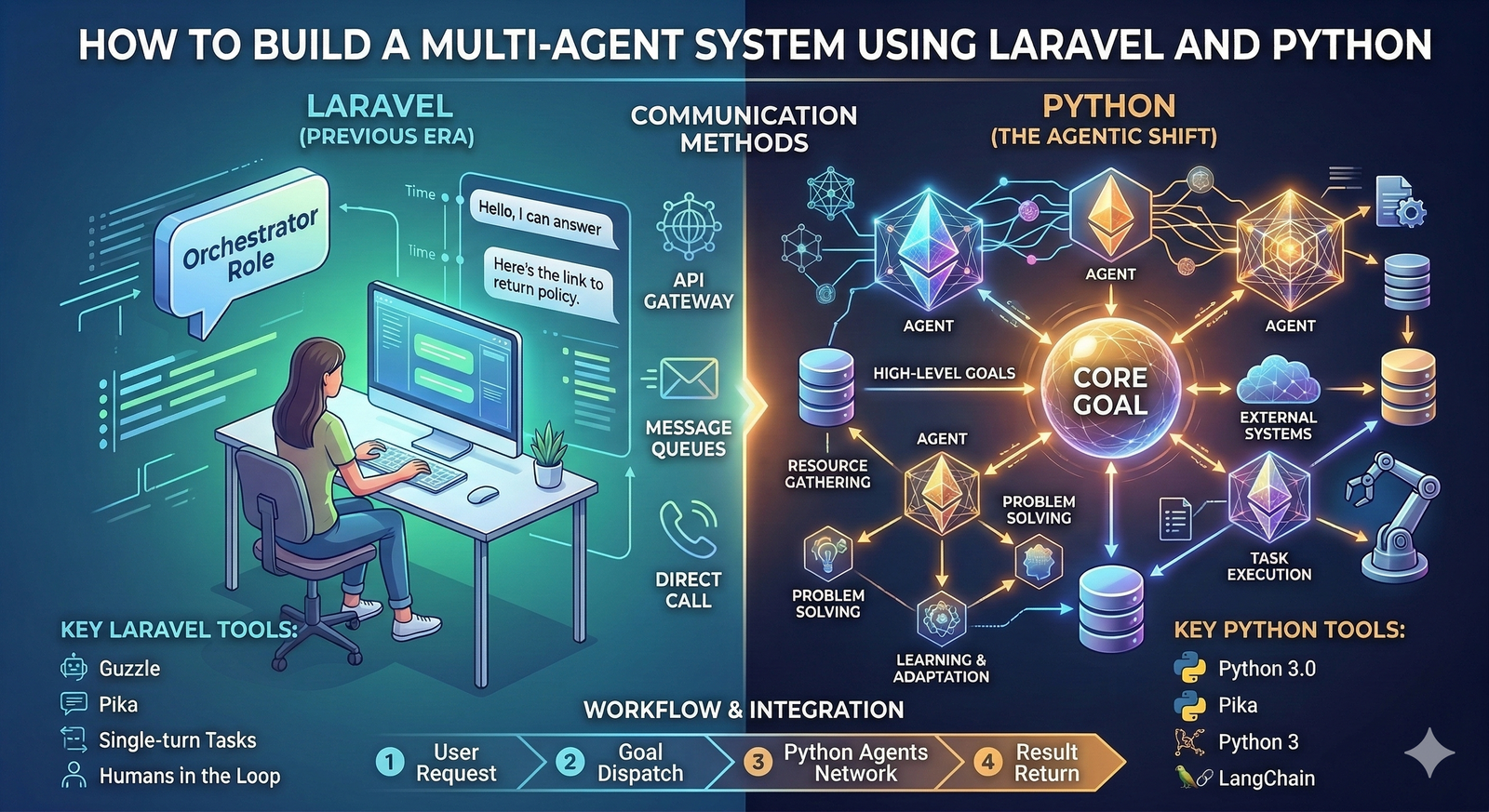
Unlike a simple script that follows "If X, then Y" logic, Agentic AI uses a Large Language Model (LLM) as its "brain." This allows it to handle "messy" real-world variables. The architecture generally consists of four pillars:
Perception: The agent "sees" the environment (e.g., reading your emails or monitoring a stock price).
Planning: It breaks a high-level goal (e.g., "Research and book the best flight") into sub-tasks.
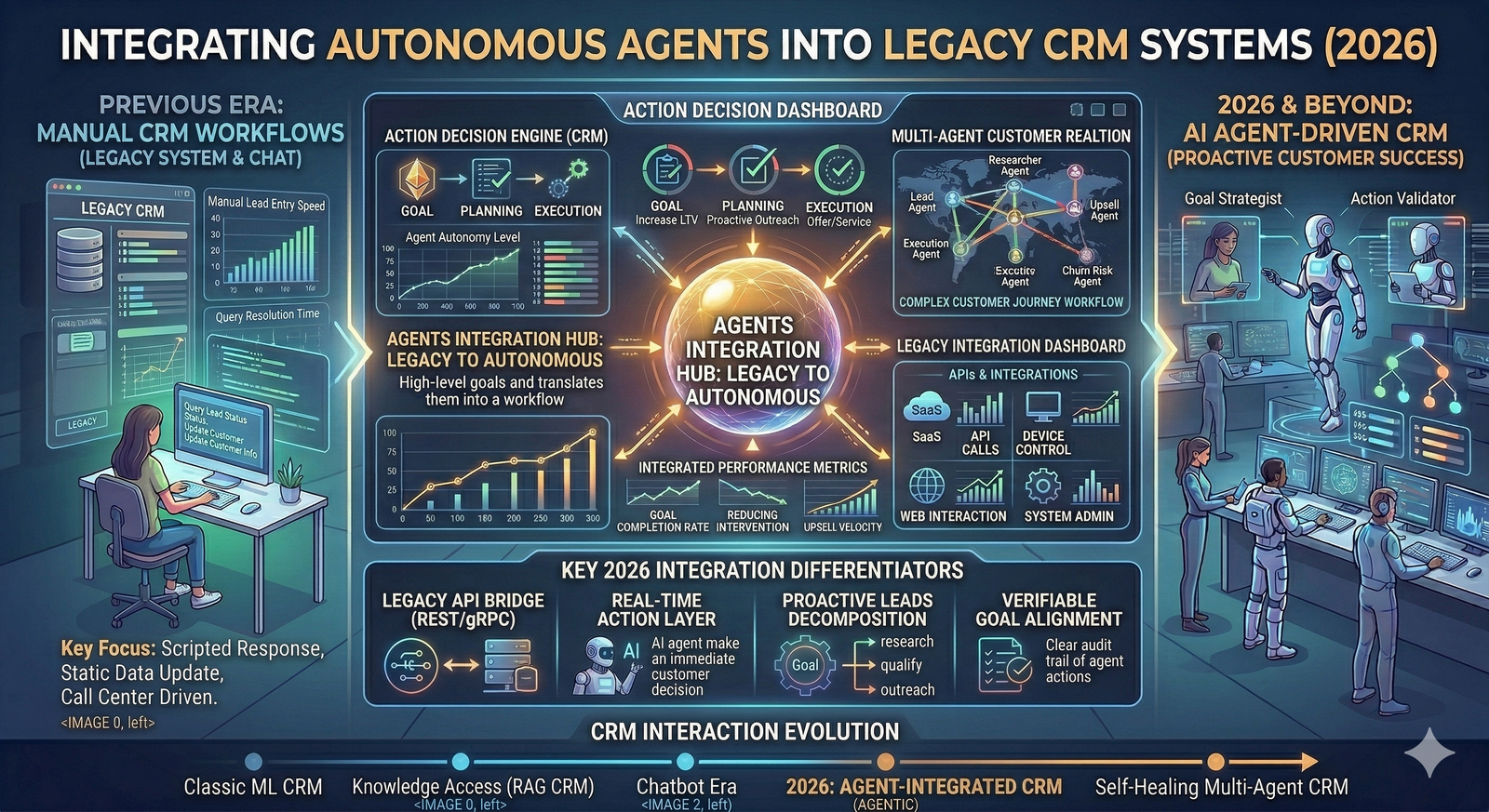
Action: It uses "tools"—external APIs for apps like Slack, Salesforce, or Stripe—to execute the tasks.
Refinement: If a step fails (e.g., a flight is sold out), it self-corrects and tries a different path.
Real-World Use Cases: Where Agents are Winning in 2026
The shift to autonomy is transforming every industry by drastically reducing "transaction costs"—the time spent on research and coordination.
1. Hyper-Automated Customer Support
While a chatbot might answer "Where is my order?", an Agentic Support Agent sees a delay, independently contacts the shipping provider, reschedules the delivery, and emails the customer a discount code—all before the human supervisor even logs in.
2. Autonomous SEO and Marketing
Modern SEO agents like NoimosAI don't just suggest keywords; they monitor competitor rankings 24/7, identify content gaps, and automatically update your website’s meta-data or draft new articles to capture emerging search trends.
3. Cybersecurity "Sentinel" Agents
In security, agents have moved from flagging alerts to active defense. They can autonomously investigate a suspicious login, quarantine the affected device, and analyze the malware payload in a sandbox environment in seconds.
Why Your Business Needs an "Agentic Strategy"
The economic promise of Agentic AI is near-zero marginal cost for complex tasks. Businesses adopting this technology are seeing:
Scalability: Managing thousands of pages or customers without increasing headcount.
Accuracy: Reducing human error in data-heavy tasks like loan underwriting or compliance audits.
Proactivity: Solving problems (like supply chain bottlenecks) before they impact the bottom line.
The Path Forward: Human-in-the-Loop
Despite the autonomy, humans aren't going away. We are moving from "doers" to "supervisors." The most successful 2026 enterprises use a "Human-in-the-Loop" (HITL) model, where agents handle the 90% grunt work, but a human provides the strategic direction and final approval for high-stakes decisions.