(1).png)


Scaling Agentic Workflows for Enterprise-Level Tasks
1. From Monoliths to Multi-Agent Systems (MAS)
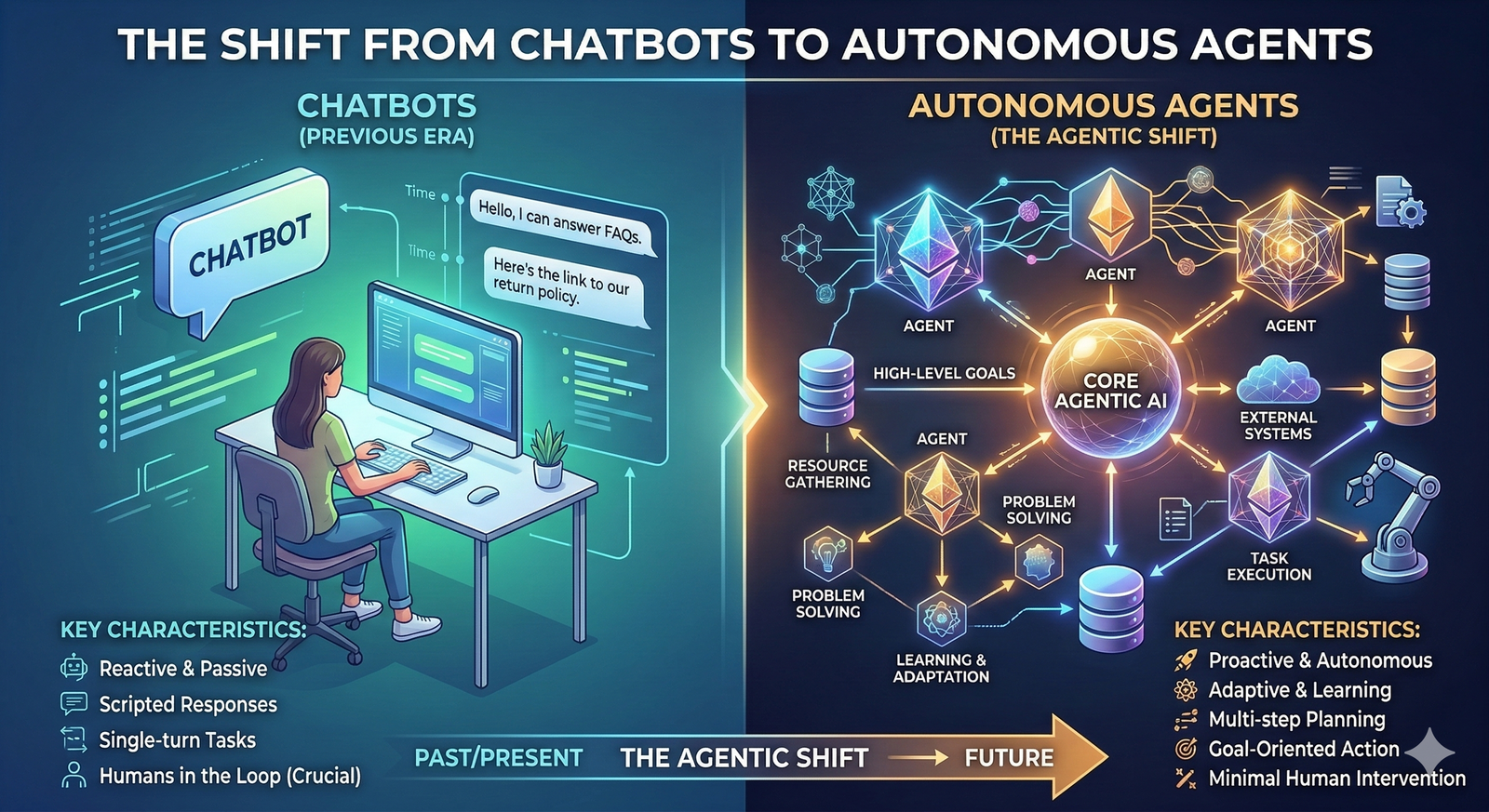
The biggest mistake in scaling is building a "God Agent" that tries to do everything. Large-scale tasks fail when the context window becomes cluttered. The 2026 standard is a Hierarchical Multi-Agent Architecture.
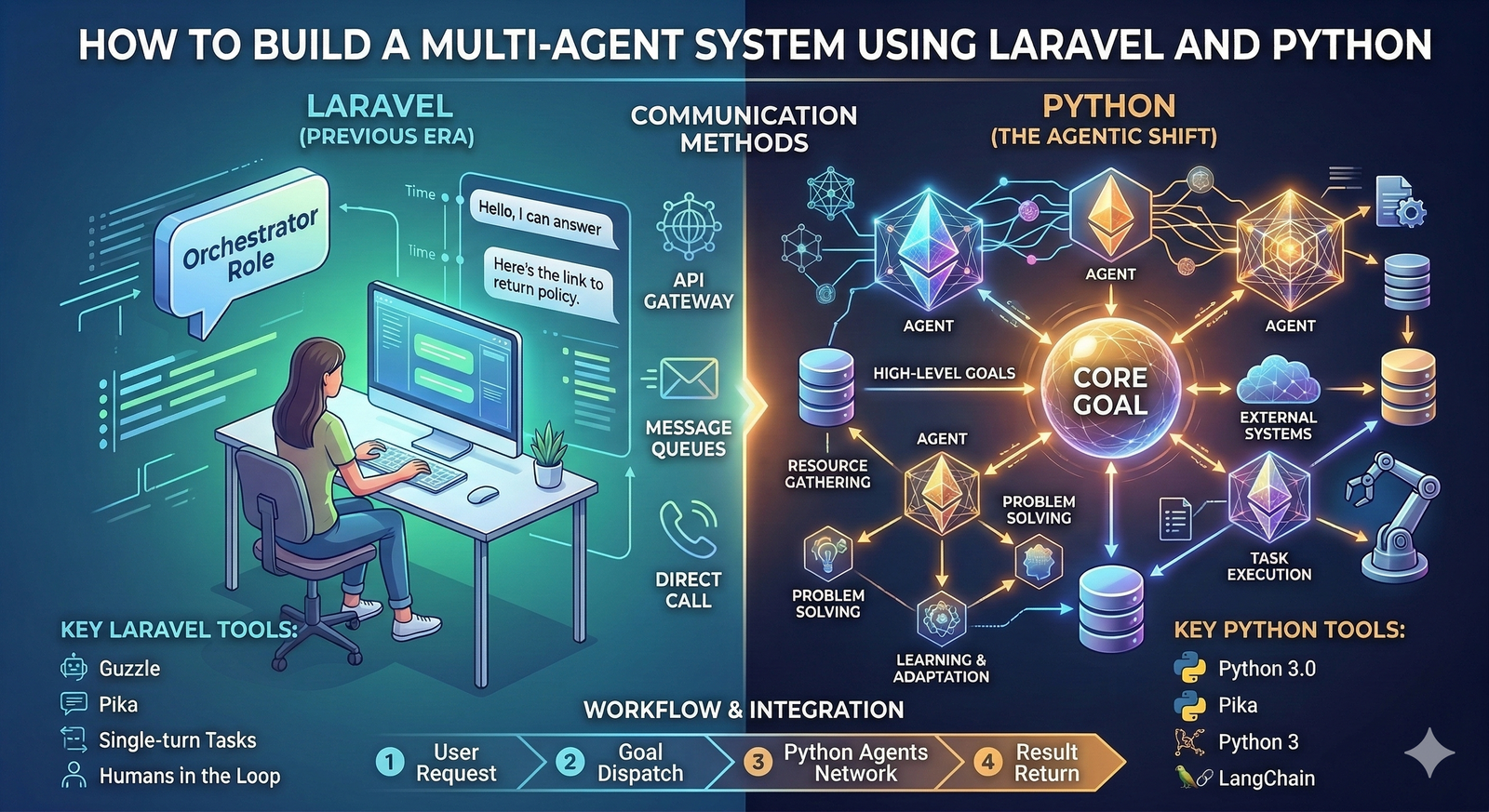
The Orchestrator: A high-level agent that decomposes a mission into sub-tasks.
Specialized Workers: "Micro-agents" trained for specific tools (e.g., a SQL Agent, a Salesforce Agent, a Legal Compliance Agent).
The Benefit: This reduces the "blast radius." If the SQL agent fails, it doesn't break the entire workflow; the orchestrator simply retries or escalates that specific sub-task.
2. The Infrastructure: Elastic Autonomy
Enterprise-grade agents require infrastructure that supports Stateful Workflows. Unlike traditional APIs, agents don't finish in milliseconds; they might "reason" for minutes or wait days for human approval.
| Component | Role in Scaling | 2026 Technology Choice |
| State Persistence | Remembers progress if an agent crashes. | Redis / Managed State Stores |
| Communication | Allows agents from different teams to talk. | MCP (Model Context Protocol) |
| Compute | Scales runners based on reasoning depth. | Serverless Agent Runners (AWS Lambda/Bedrock) |
3. Governance: The "Agentic Control Plane"
Scaling without governance is a liability. By 2026, enterprises have implemented an AgentOps layer to enforce "Policy-as-Code."
Role-Based Access Control (RBAC): Just because an agent can use a tool doesn't mean it should. Agents must inherit the permissions of the human user who triggered them.
Reasoning Traces: Every decision must be auditable. If an agent approves a $50,000 procurement request, the system must show the "Chain of Thought" (CoT) and the data sources used for that decision.
Cost Management: Agents can "thrash"—looping endlessly and burning tokens. Enterprise platforms now use Circuit Breakers that kill any agent session exceeding a pre-defined budget or time limit.
4. Human-on-the-Loop (HOTL) Orchestration
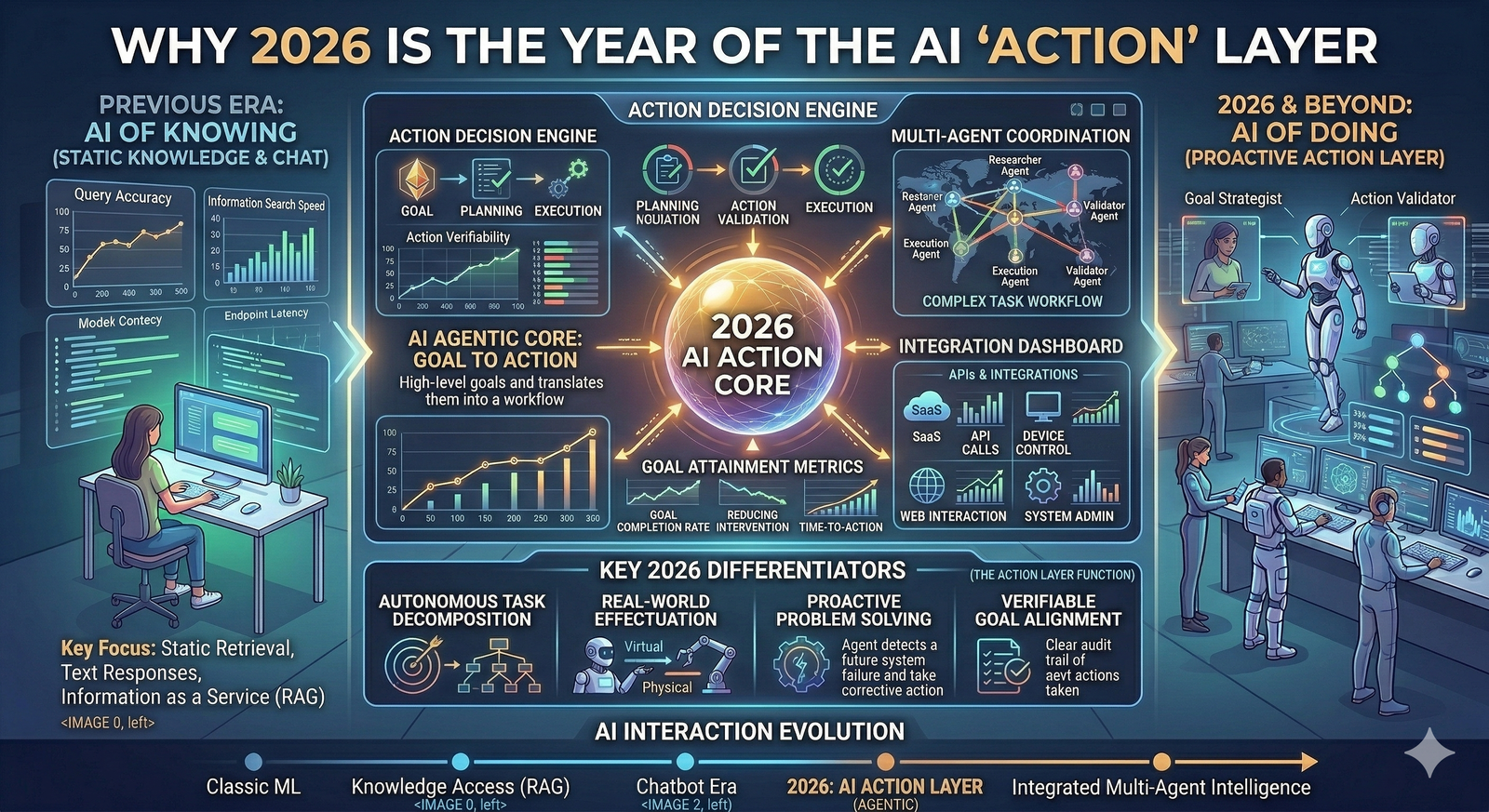
At the enterprise level, 100% autonomy is rarely the goal. The most successful 2026 workflows use "Checkpoints."
The Checkpoint Pattern: The agent performs 90% of the work (research, drafting, data entry) but pauses at critical junctions—like "Send Payment" or "Publish to Production"—waiting for a human "OK" via a Slack or Microsoft Teams notification.
5. Transitioning from RPA to Agentic RAG
Many enterprises are scaling by replacing rigid RPA (Robotic Process Automation) with Agentic RAG. While RPA breaks if a website button moves 10 pixels to the left, an Agentic workflow "sees" the UI change and adapts its plan.
Best Practices for 2026 Deployment:
Start with "Document Agents": Assign one agent per document type (Contracts, Invoices, SOPs) and a "Meta-Agent" to coordinate them.
Standardize Data Foundations: Ensure your first-party data is expressed in structured schemas that agents can parse without hallucinating.
Use Evaluation Frameworks: Run "Golden Dataset" tests on every agent update to ensure new logic hasn't introduced regression errors.