(1).png)


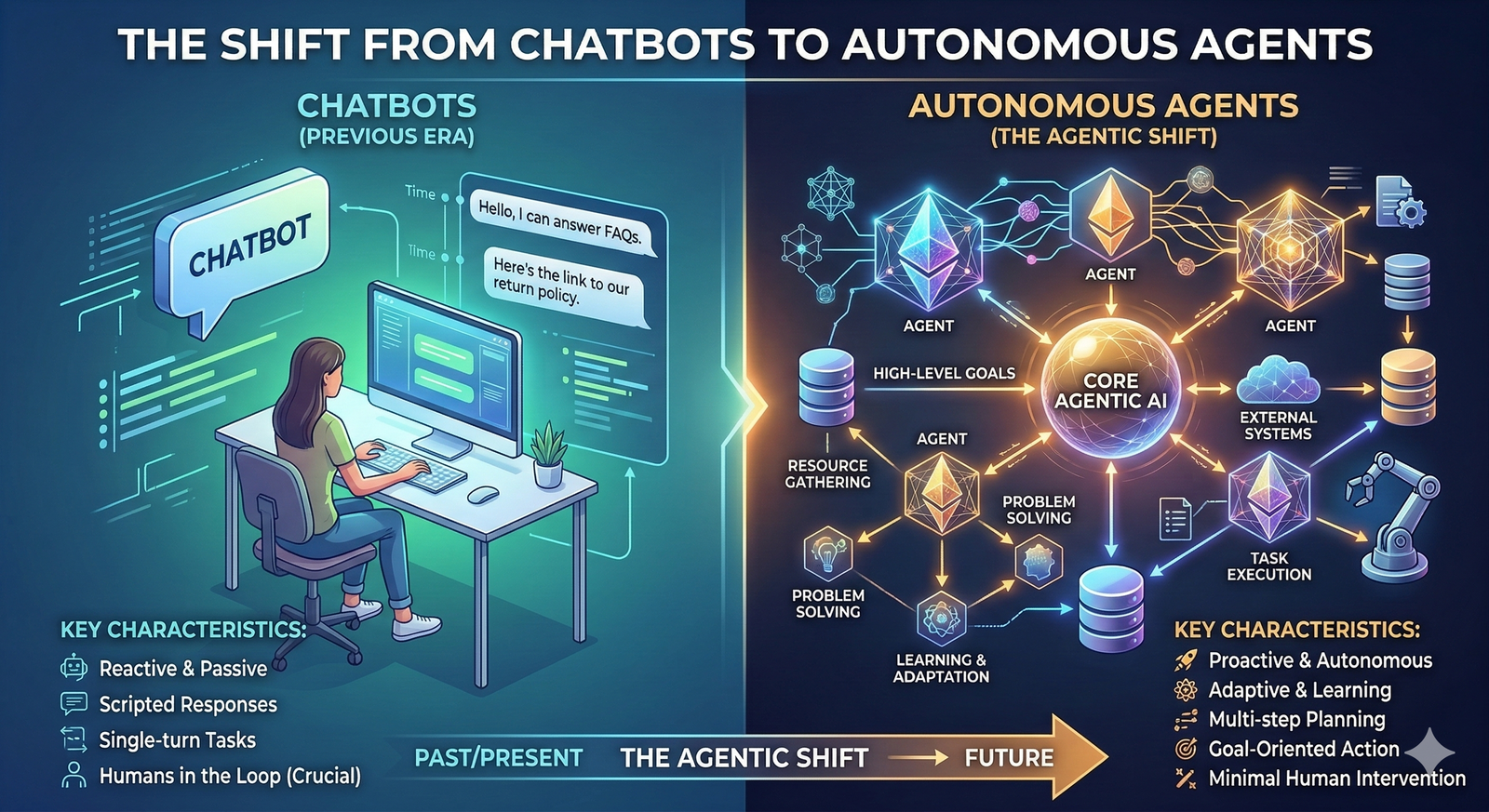
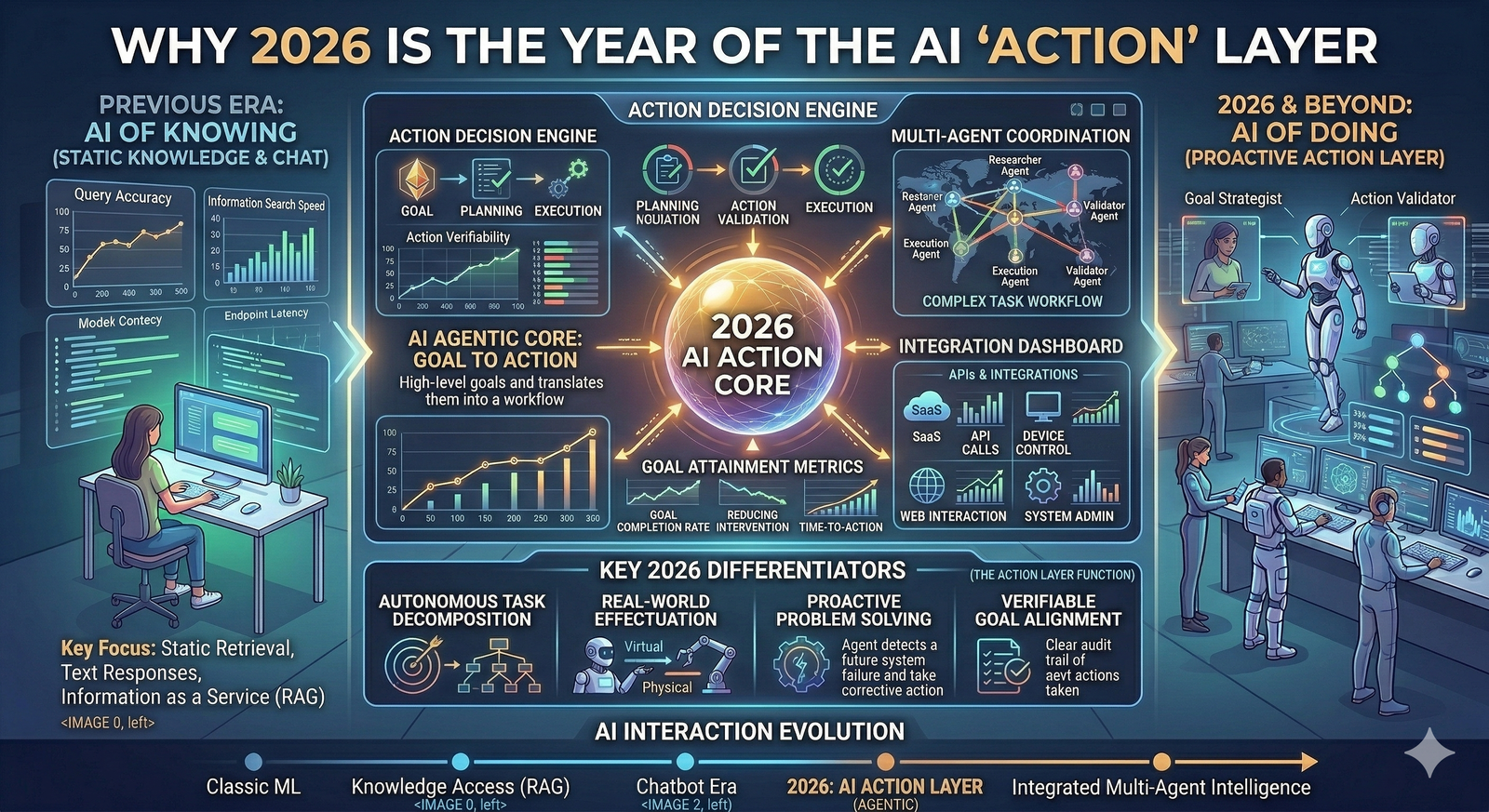
The AI landscape in 2026 has officially moved from "experimental" to "production-grade." For developers, the challenge isn't finding a model—it's choosing the right orchestration layer to manage complexity, memory, and multi-agent collaboration.
Below is an SEO-optimized breakdown of the Top 10 Frameworks for Developing Autonomous AI Agents dominating the industry today.
The Best Frameworks for Building AI Agents in 2026
1. LangGraph (The "Gold Standard" for Control)
Built by the LangChain team, LangGraph has become the go-to for production systems. Unlike linear chains, it uses a state-machine approach, allowing agents to loop, self-correct, and maintain complex memory across long sessions.
Best For: Complex, non-linear enterprise workflows and stateful agents.
Key Feature: Fine-grained control over "Human-in-the-Loop" interactions.
2. CrewAI (The Leader in Multi-Agent Teams)
CrewAI treats AI like a human department. You define "Crews" with specialized "Roles" (e.g., Researcher, Writer, Editor). It is widely loved for its simplicity and "role-playing" architecture.
Best For: Marketing automation, content pipelines, and collaborative business tasks.
Key Feature: Built-in task delegation and process management.
3. Microsoft AutoGen (Now Microsoft Agent Framework)
Recently merged with Semantic Kernel foundations, AutoGen specializes in conversational multi-agent systems. It allows agents to "negotiate" and solve technical problems by writing and executing their own code.
Best For: Technical problem solving and research-heavy applications.
Key Feature: Event-driven architecture for dynamic agent-to-agent dialogue.
4. LlamaIndex Agents (The Data-Centric Choice)
If your agent’s primary job is to interact with massive amounts of proprietary data, LlamaIndex is unrivaled. It excels at "Agentic RAG," where the agent autonomously decides which data chunks to retrieve and how to synthesize them.
Best For: Knowledge management, document analysis, and data-heavy Q&A.
Key Feature: Advanced indexing and specialized data connectors.
5. OpenAI Agents SDK (The "Fast-Track" to Production)
Released in early 2025 and refined in 2026, this lightweight SDK is the fastest way to build on OpenAI’s ecosystem. It is provider-agnostic but optimized for the lowest latency on GPT-series models.
Best For: Rapid prototyping and lightweight multi-agent handoffs.
Key Feature: Native support for "Computer Use" and file search.
6. Semantic Kernel (The Enterprise .NET Bridge)
For organizations invested in the Microsoft stack (C#, Java, or Python), Semantic Kernel provides a robust, typed environment. It integrates perfectly with Azure AI and enterprise-grade security protocols.
Best For: Large-scale corporate integrations and C# developers.
Key Feature: "Planner" patterns that translate goals into executable code skills.
7. Smolagents (The Minimalist Powerhouse)
Hugging Face's Smolagents is a "code-first" library. Instead of complex JSON schemas, these agents write standard Python code to use tools, making them extremely efficient for developers who prefer code over configuration.
Best For: Lightweight, efficient agents and open-source model integration.
Key Feature: Under 1,000 lines of core code—easy to debug and extend.
8. PydanticAI (The Type-Safe Specialist)
As agents become more complex, data integrity matters. PydanticAI ensures that tool calls and agent outputs strictly follow defined schemas, preventing the "hallucinated parameter" errors common in older frameworks.
Best For: Financial and medical AI where data accuracy is non-negotiable.
Key Feature: Strict, typed tool contracts using Pydantic V2.
9. Mastra (The TypeScript/Next.js Favorite)
For the JavaScript ecosystem, Mastra has emerged as the leading framework for building "Agentic Microservices." It treats workflows as graphs and integrates seamlessly with the Vercel AI SDK.
Best For: Full-stack developers building AI features into web apps.
Key Feature: Native support for
.then(),.branch(), and.parallel()primitives.
10. Agno (The High-Performance Runtime)
Agno is built for speed. It provides a high-performance multi-agent runtime and a dedicated UI for monitoring agent "thoughts" in real-time. It’s perfect for developers who need to visualize agent reasoning for debugging.
Best For: Real-time applications and debugging complex agent loops.
Key Feature: High-performance runtime with a built-in playground.
Comparison Summary: Which One to Choose?
| Use Case | Recommended Framework |
| Complex Logic/State | LangGraph |
| Team/Role Collaboration | CrewAI |
| Data-Heavy / RAG | LlamaIndex |
| Microsoft Enterprise | Semantic Kernel |
| Minimalist / Code-First | Smolagents |
Final Thoughts: Look for the Protocol
In 2026, the trend isn't just about the framework, but about the Model Context Protocol (MCP). Most of these top 10 now support MCP, allowing your agents to use tools across different frameworks and databases interchangeably.