(1).png)


The Ultimate Guide to AgentOps in 2026: Scaling Autonomous AI Agents with Confidence
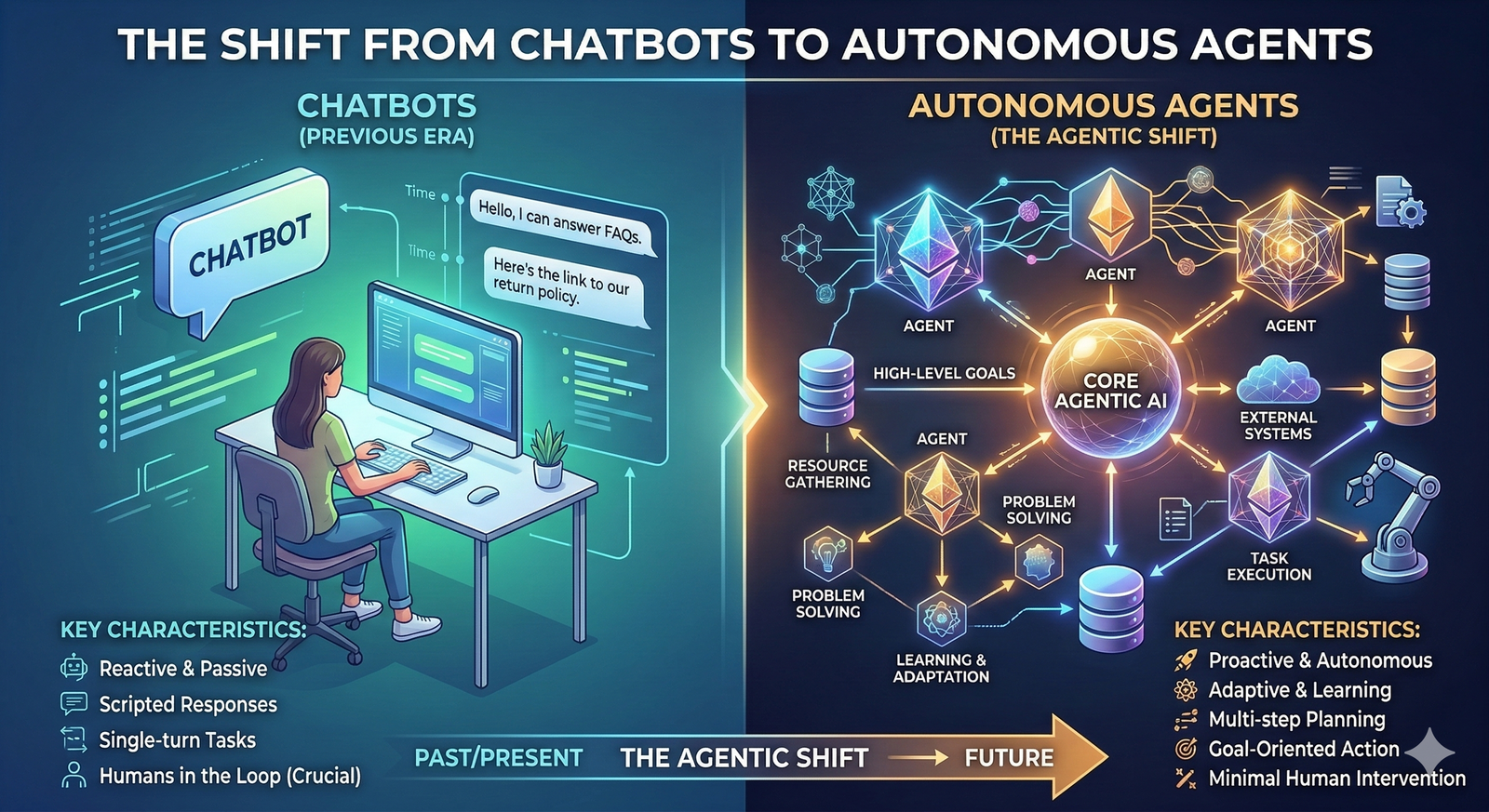
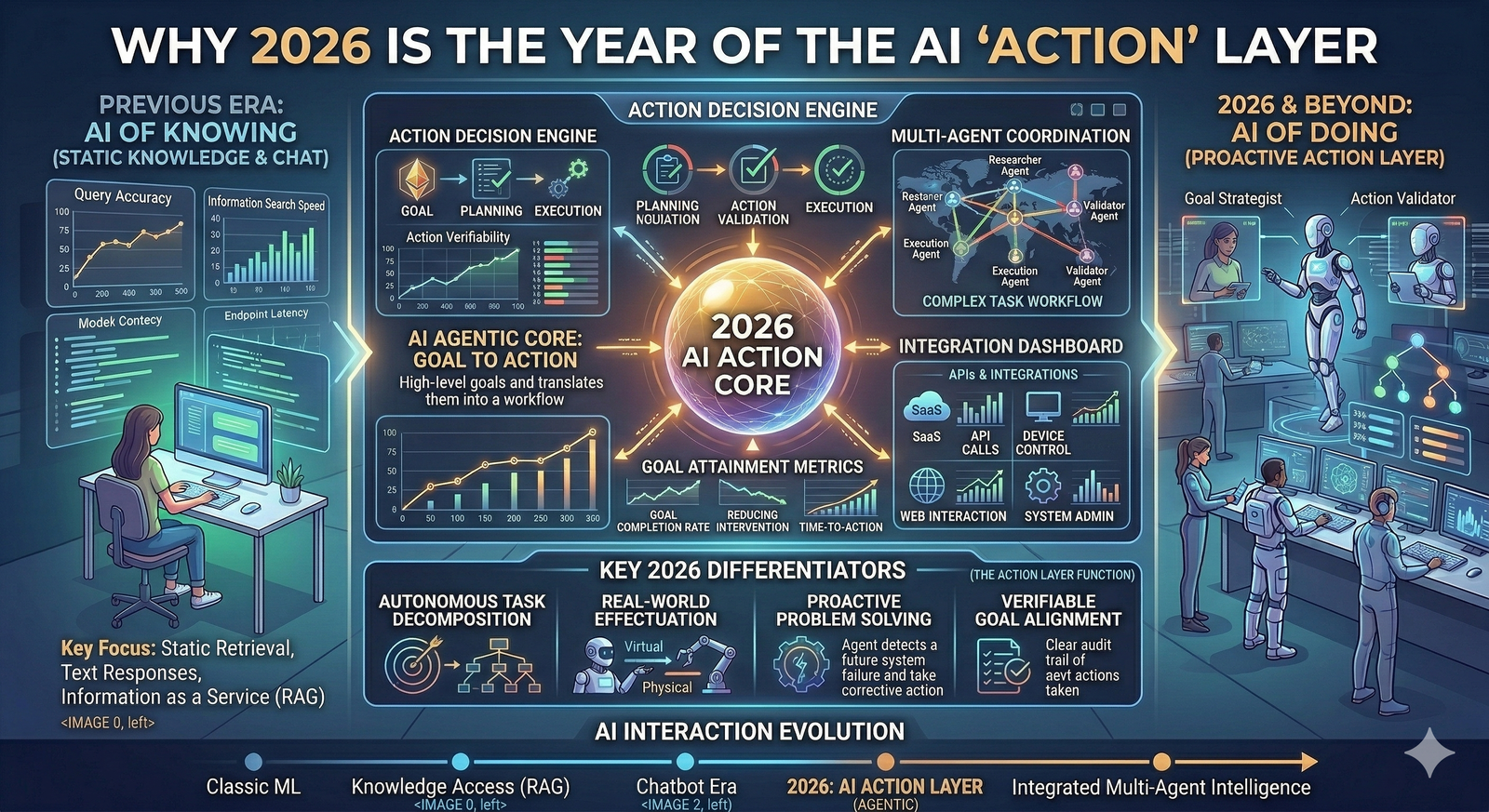
In the rapidly shifting landscape of artificial intelligence, 2026 has become the year of the Autonomous Agent. We have moved past simple chatbots; today, businesses are deploying multi-agent systems (MAS) that research, code, and execute complex workflows independently.
However, with great autonomy comes a massive challenge: Observability. How do you manage a "digital workforce" that thinks for itself? The answer is AgentOps.
What is AgentOps?
AgentOps is the operational framework and set of tools used to build, monitor, and optimize autonomous AI agents. Think of it as DevOps for AI Agents.
While traditional software requires monitoring for server uptime, and MLOps focuses on model drift, AgentOps is specialized for the non-deterministic nature of agents. It provides the "flight recorder" for an agent's reasoning process, tool usage, and multi-agent coordination.
Why AgentOps is Non-Negotiable in 2026
According to recent 2026 industry reports, nearly 89% of enterprises have now implemented some form of agentic observability. Without a robust AgentOps stack, developers face three critical "Agentic Risks":
1. The "Black Box" Reasoning Problem
When an agent fails to complete a task, you need to know where the logic broke. Did it use the wrong tool? Did the LLM hallucinate a step? AgentOps provides Session Replays and Step-by-Step Traces that allow you to visualize the agent's "thought" process.
2. Runaway Token Costs
Autonomous agents often operate in loops. Without real-time Cost Tracking, a single buggy loop can burn through thousands of dollars in API credits overnight. AgentOps platforms monitor token usage across 400+ LLM providers, offering automated "kill switches" for runaway agents.
3. Tool & API Integration Failures
Agents interact with the real world through tools (APIs, databases, web browsers). AgentOps tracks the success rate of these tool calls, ensuring that your Model Context Protocol (MCP) servers and external integrations are functioning as intended.
Core Features of an AgentOps Stack
If you are evaluating platforms like AgentOps.ai, LangSmith, or Arize AI, look for these "Must-Have" features:
Automated Instrumentation: One-line SDK integration (e.g.,
agentops.init()) that automatically hooks into frameworks like CrewAI, AutoGen, and LangGraph.Multi-Agent Waterfall Views: Visualizing how Agent A (the Researcher) hands off data to Agent B (the Writer) is crucial for identifying bottlenecks in latency.
Governance-as-Code: Embedding safety guardrails directly into the agent's lifecycle to prevent data leakage or non-compliant actions.
Human-in-the-Loop (HITL) Triggers: Automatically pausing an agent to request human approval when it reaches a high-stakes decision point.
Comparison: MLOps vs. AgentOps
| Feature | MLOps | AgentOps |
| Primary Goal | Model Accuracy & Deployment | Task Success & Reliability |
| Core Metric | F1 Score / Loss | Reasoning Path / Tool ROI |
| Logic Type | Static / Predictable | Dynamic / Autonomous |
| Key Frameworks | PyTorch, TensorFlow | CrewAI, AutoGen, PydanticAI |
How to Get Started with AgentOps
Building a production-ready agent requires a shift in mindset. Follow this 3-step workflow:
Instrument Early: Don't wait for production to add monitoring. Use an AgentOps SDK during the prototyping phase to catch logic errors in your prompt chains.
Define Success Metrics: Move beyond "did it reply?" to "did it solve the user's intent?" Use LLM-as-a-Judge evaluations to score your agent sessions.
Optimize for Latency: Use the timeline view in your AgentOps dashboard to identify which tool calls or reasoning steps are slowing down the user experience.
The Future: From Monitoring to Orchestration
As we look toward 2027, AgentOps is evolving into a Command Center for the digital workforce. We are moving away from fixing agents when they break and toward Self-Healing Agents—systems that use their own observability data to re-prompt themselves and correct errors in real-time.
Pro-Tip : In 2026, your AI agent is only as good as your ability to observe it. AgentOps is the bridge between a "cool demo" and a "mission-critical enterprise system."