(1).png)


1. The 2026 Market Shift: From Features to Outcomes
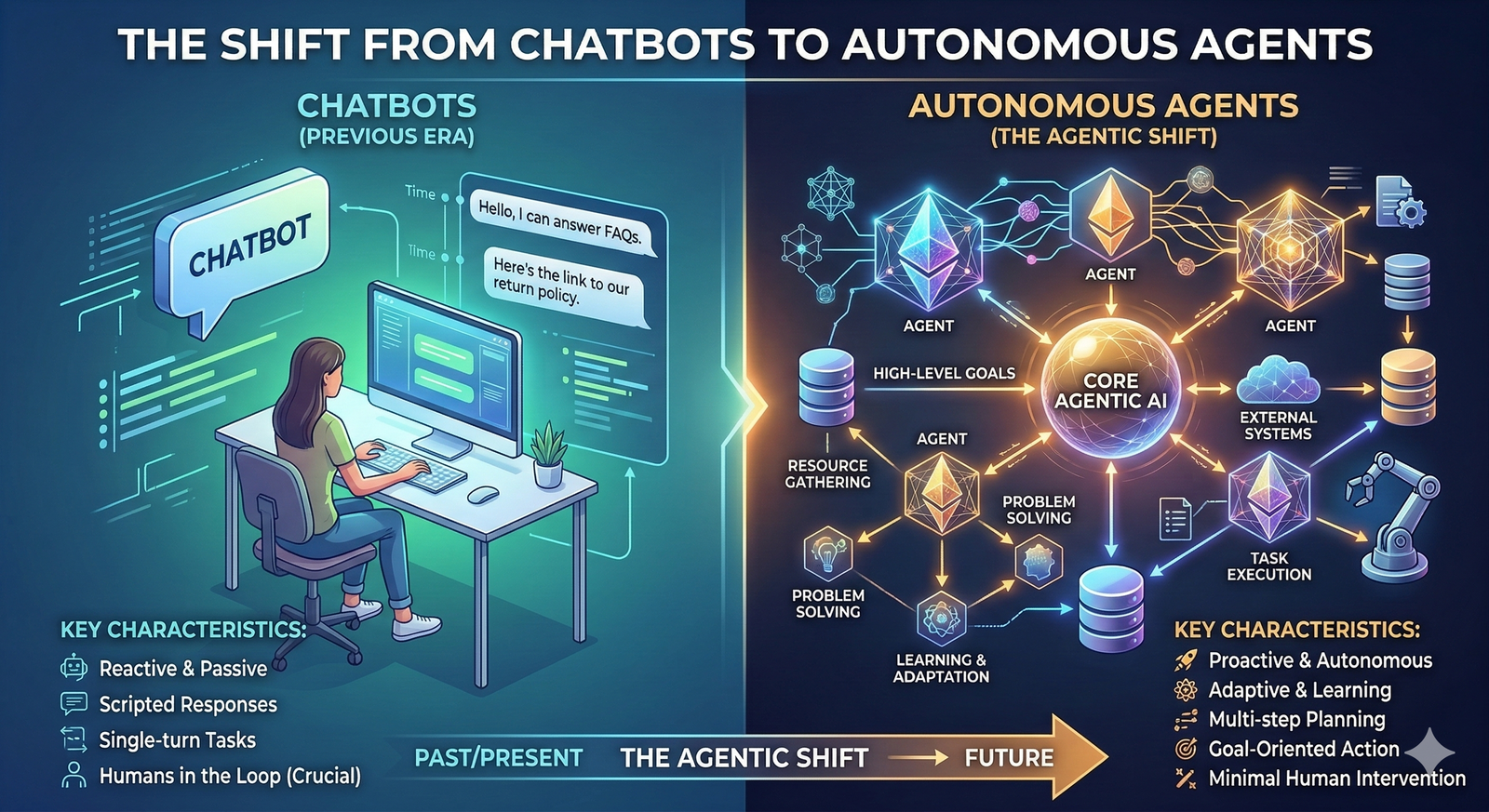
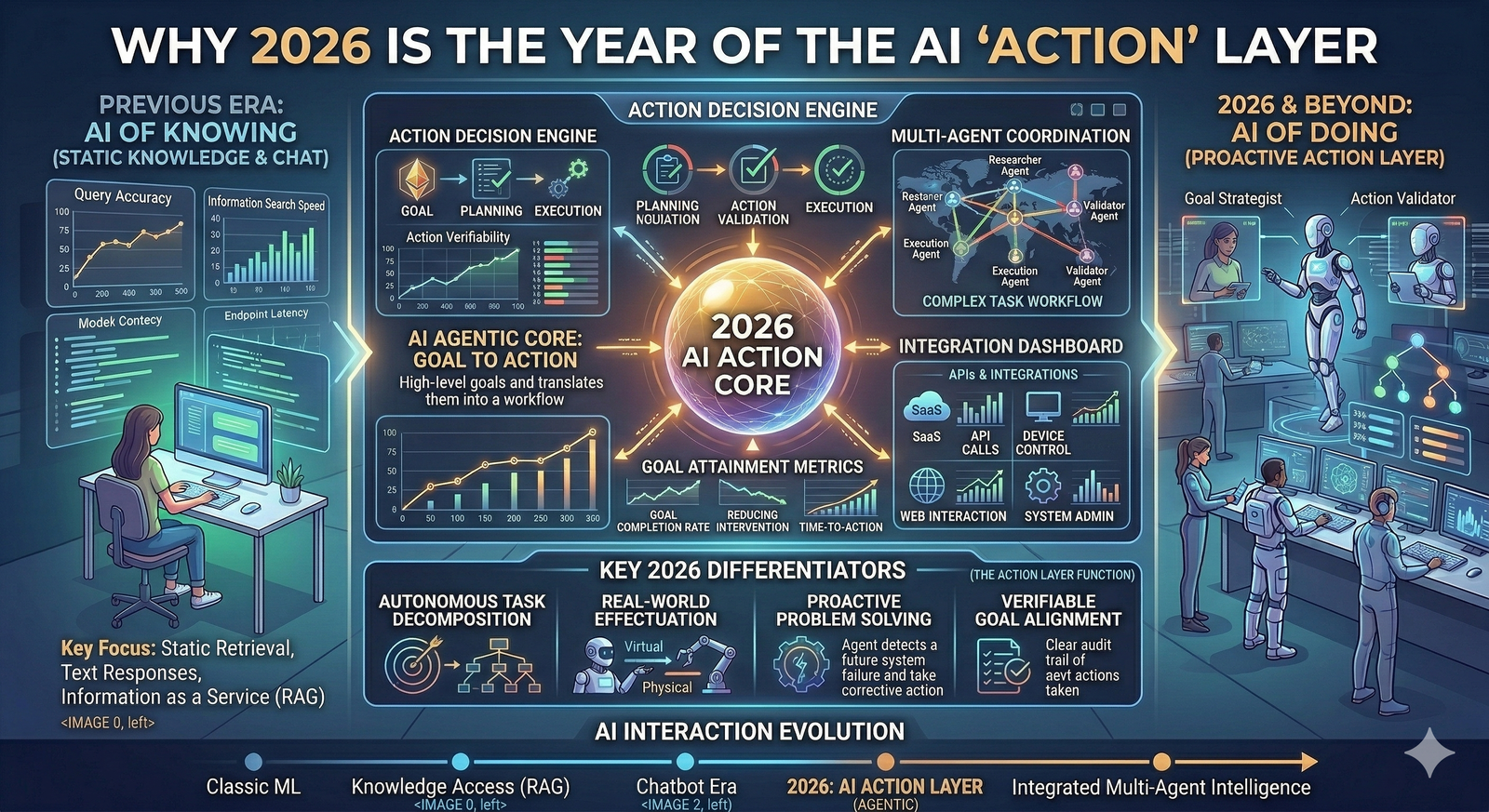
In 2024, people paid for "AI features." In 2026, customers pay for Completed Work. The most successful Micro-SaaS products today are Agentic—they don't just suggest text; they execute multi-step workflows.
Vertical SaaS 2.0: Horizontal tools (like generic writing assistants) are struggling. The money is in Deep Niches. Think "AI Compliance Auditor for Pharma" or "Automated Grant Writer for Green Energy Non-Profits."
The "Invisible" AI: The best software in 2026 doesn't brag about being AI-powered. It simply markets itself as a "Problem-Solver." Users don't want to "prompt"; they want a button that says "Fix my Spreadsheet."
2. Winning Monetization Models for 2026
Traditional "per-seat" pricing is fading. In 2026, Value-Aligned Pricing is the gold standard for AI apps.
| Model | How it Works | Best For |
| Credit-Based (Tokens) | Users buy "Credits" for specific actions (e.g., 10 video renders). | Creative tools and high-compute apps. |
| Per-Outcome Pricing | You charge based on the result (e.g., $1 per qualified lead generated). | Sales and Lead Gen agents. |
| Hybrid Subscription | A low base fee ($19/mo) plus usage-based "top-ups." | Productivity tools with varying monthly usage. |
| Reverse Trials | Give full access for 7 days, then downgrade to a very limited "Free" version. | High-utility tools that become "sticky" quickly. |
3. High-Demand Micro-SaaS Niches
According to 2026 market data, these vertical niches are seeing the highest growth and retention:
A. Specialized Compliance & Reporting
With the EU AI Act and global ESG regulations in full swing, SMBs are desperate for tools that automate audit-readiness. A Micro-SaaS that generates a "Carbon Footprint Report" or a "Privacy Audit" for small e-commerce stores can command $49-$149/month easily.
B. AI Content Repurposing 2.0
We’ve moved beyond "Blog to Tweet." The 2026 demand is for Multimodal Chains: Take a 10-minute Zoom recording and automatically generate a YouTube Short, a LinkedIn Carousel, three TikTok scripts, and an SEO-optimized blog post—complete with voiceover.
C. Vertical-Specific "Agentic" CRM
Generic CRMs are too noisy. Niche professionals (Real Estate agents, Fitness Coaches, or Legal Consultants) want "Micro-Agents" that monitor their leads and take action—like automatically drafting a follow-up after a specific trigger.
4. The 2026 Tech Stack for Profitability
To stay profitable as a solo founder, you must keep your Inference Costs low and your Speed-to-Market high.
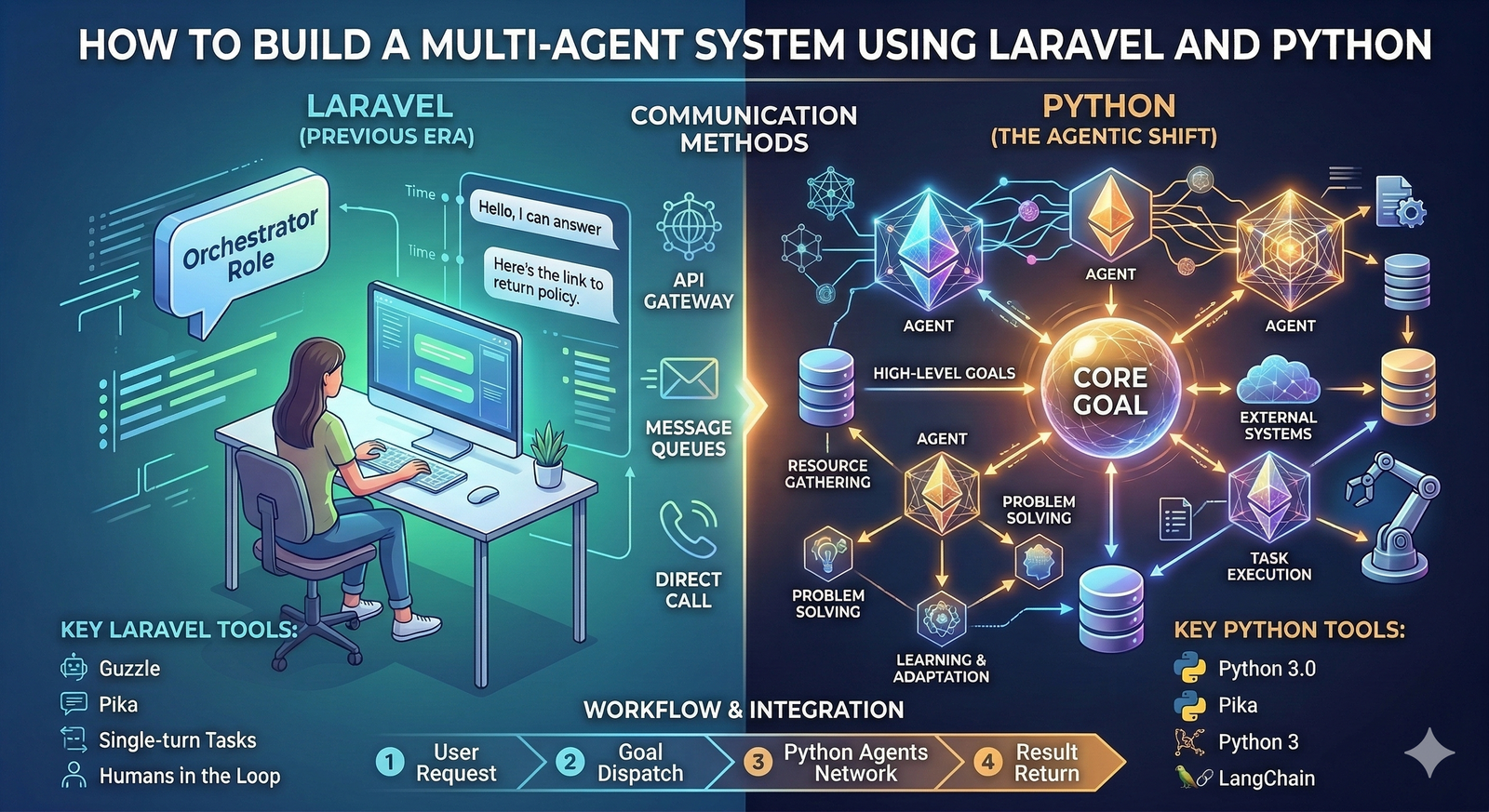
Orchestration: Use LangGraph or n8n to build complex, self-healing AI workflows.
Model Routing: Don't use GPT-5 for everything. Use "Small Language Models" (SLMs) like Phi-4 or Llama 4 (8B) for simple tasks to keep your API costs down.
No-Code/Low-Code Wrappers: Use platforms like FlutterFlow or Bubble to deploy to iOS and Android in weeks, not months.
Merchant of Record (MoR): Use Paddle or Lemon Squeezy to handle global tax compliance (VAT/GST) automatically—this is a life-saver for solo founders.
5. SEO Strategy: Ranking for "Solution Intent"
In 2026, users don't search for "AI tool." They search for the Problem.
Long-Tail Keywords: Focus on "how to automate healthcare compliance documentation" rather than "AI for doctors."
AEO (Answer Engine Optimization): Structure your landing page with clear H2/H3 headers that answer "How-To" questions. AI search engines (like Perplexity and SearchGPT) will cite your site as the solution.
Comparison Schema: Use Product Schema to show your pricing and ratings directly in the search results.
Summary: Start Small, Solve One "Migraine"
The Micro-SaaS path in 2026 is about Capital Efficiency. You don't need a team of ten; you need one solid niche, a lean AI stack, and a pricing model that scales with your user’s success. Identify one "Migraine" problem in a specific industry, build an agent to solve it, and launch your MVP in under 30 days.