(1).png)


1. The 2026 Shift: From Scripted to Agentic
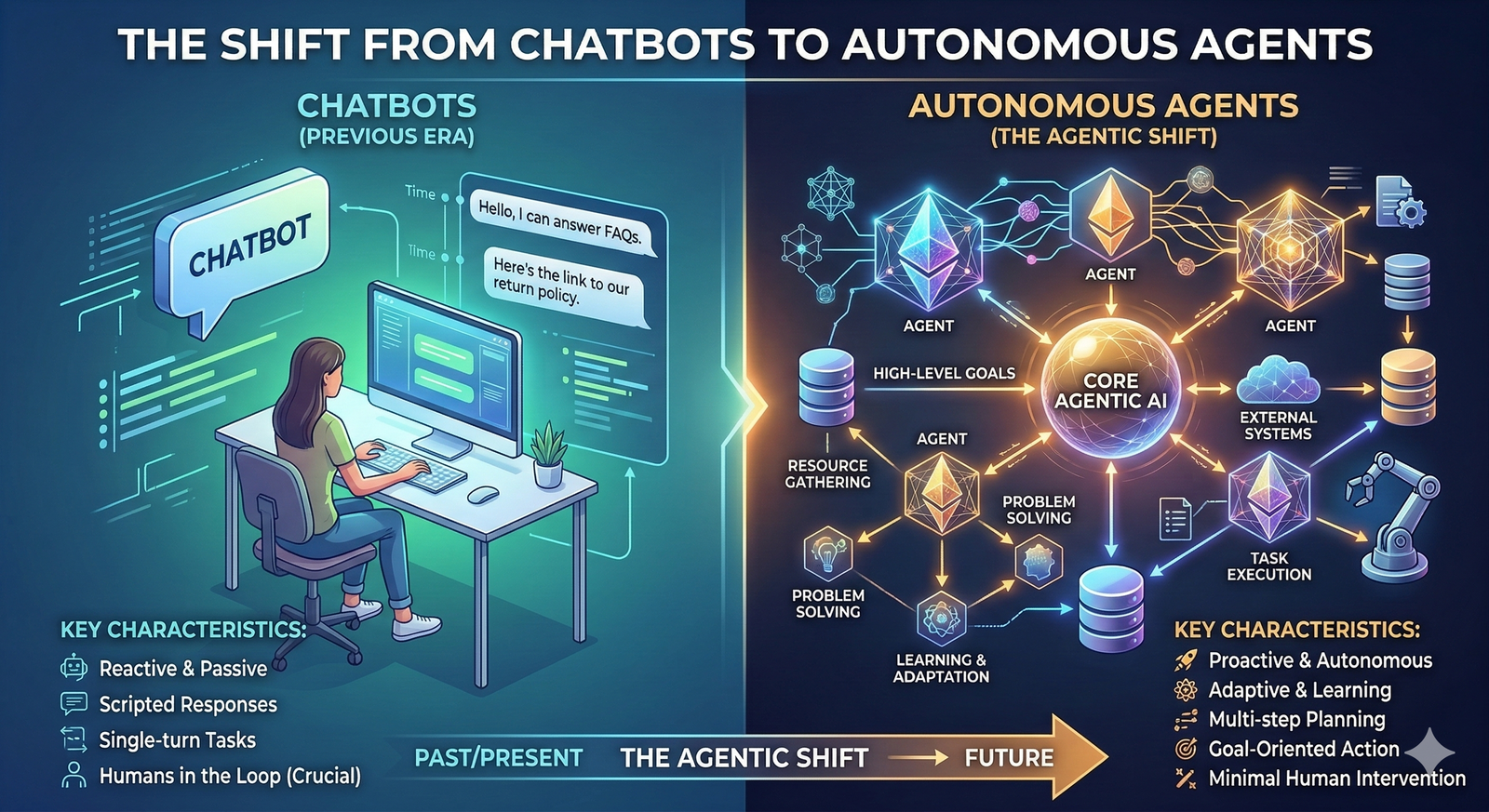
In 2024, chatbots were digital filing cabinets—they could find a link if you used the right keyword. In 2026, AI Agents are members of your workforce.
Legacy Chatbots (The Past): Followed rigid "If/Then" logic. If the customer’s problem wasn't in the script, the bot failed.
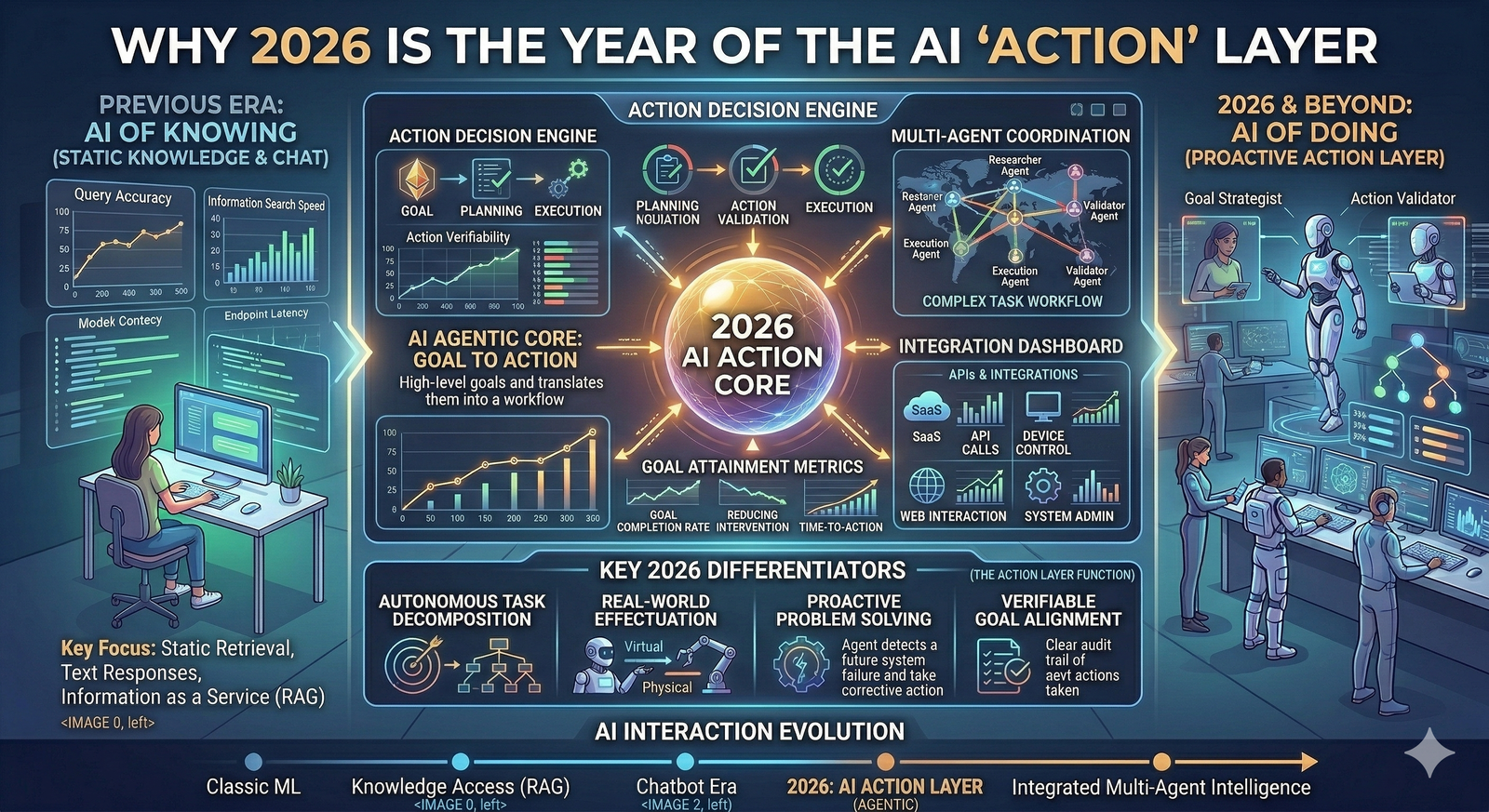
Problem-Solving Agents (The 2026 Standard): These agents use Reasoning Loops. They don't just "answer"; they "act." They can look up an order, realize it’s delayed in a Wah Cantt hub, check the inventory in Islamabad, and offer an immediate discount or reroute—all without human intervention.
2. Why "Containment" is the New Metric of Success
In 2026, the gold standard for support is the Containment Rate—the percentage of issues resolved entirely by AI without needing a human handoff.
| Metric | 2024 Benchmark | 2026 Benchmark |
| First-Contact Resolution (FCR) | 40% | 85%+ (via AI Agents) |
| Average Response Time | 2–4 Hours | < 30 Seconds (Instantaneous) |
| Human Handoff Rate | 60% | < 20% (Reserved for complex/empathy-led cases) |
| CSAT Score (AI Interactions) | 3.2 / 5 | 4.6 / 5 |
3. The 2026 Customer Support Stack
To build a "Problem-Solving" ecosystem, your AI cannot live in a silo. It must be integrated into your entire business stack.
Zendesk AI & Salesforce Agentforce: These platforms now offer "out-of-the-box" agents trained on billions of customer interactions, capable of detecting sentiment and intent in real-time.
Intercom Fin & Gleap: Ideal for SaaS and high-growth agencies, these tools use RAG (Retrieval-Augmented Generation) to ensure answers are grounded only in your verified knowledge base, eliminating hallucinations.
Multimodal Support: In 2026, your agent isn't just a text box. It can "see" a customer's uploaded video of a broken product or "listen" to a voice note to identify technical issues.
4. The Human-AI "Loyalty Loop"
A common 2026 misconception is that AI replaces humans. The reality is that AI handles the Logistics, while humans handle the Empathy.
The 2026 Reality: 81% of consumers prefer human interaction for complex or sensitive issues.
When the AI agent handles 80% of routine tasks (refunds, tracking, FAQ), your human team is finally free to focus on Relationship Management. In 2026, a "Support Agent" is actually a "Customer Success Advocate," stepping in to save high-value accounts and solve the 20% of problems that require creative human judgment.
5. 2026 SEO & Search Strategy: Ranking as the "Trusted Source"
In the era of AI-first search (SGE and Gemini), your support content is your SEO superpower.
Topic Intent Mapping: Instead of keywords, focus on "Solving Intent." Structure your help articles as direct answers to "How do I..." and "Why is..." questions.
Machine-Readable Knowledge: Use FAQ and How-To Schema on your support pages. This ensures that when a user asks their personal AI assistant for help, your verified solution is the one it retrieves.
Transparency is Quality: In 2026, users value "AI Disclosure." Clearly labeling where AI is assisting builds trust and helps AI search engines verify your content as authoritative and ethically managed.
Summary: Resolve, Don't Just Respond
In 2026, customer support is no longer a cost center; it is a revenue driver. By moving from chatbots that "talk" to agents that "do," you create a frictionless experience that turns frustrated users into lifelong advocates. The future of support isn't found in a script—it's found in the ability to solve.