(1).png)


1. The 2026 Pivot: From Volume to Intent
The most successful lead generation strategies this year are built on First-Party Intent Data. Instead of buying static lists, businesses are identifying prospects based on active digital behavior.
Website Visitor Identification: Tools like Leadinfo or Leadfeeder now identify the 97% of your website visitors who never fill out a form. In 2026, seeing which pages a specific company viewed is the primary trigger for a sales outreach.
Buyer Signal Tracking: Modern stacks (like Cirrus Insight or Common Room) monitor real-time signals: leadership changes, tech-stack shifts, or engagement with your LinkedIn content.
The Result: You aren't "cold" calling; you are "warm" responding to a demonstrated need.
2. Agentic Lead Qualification: The 24/7 Gatekeeper
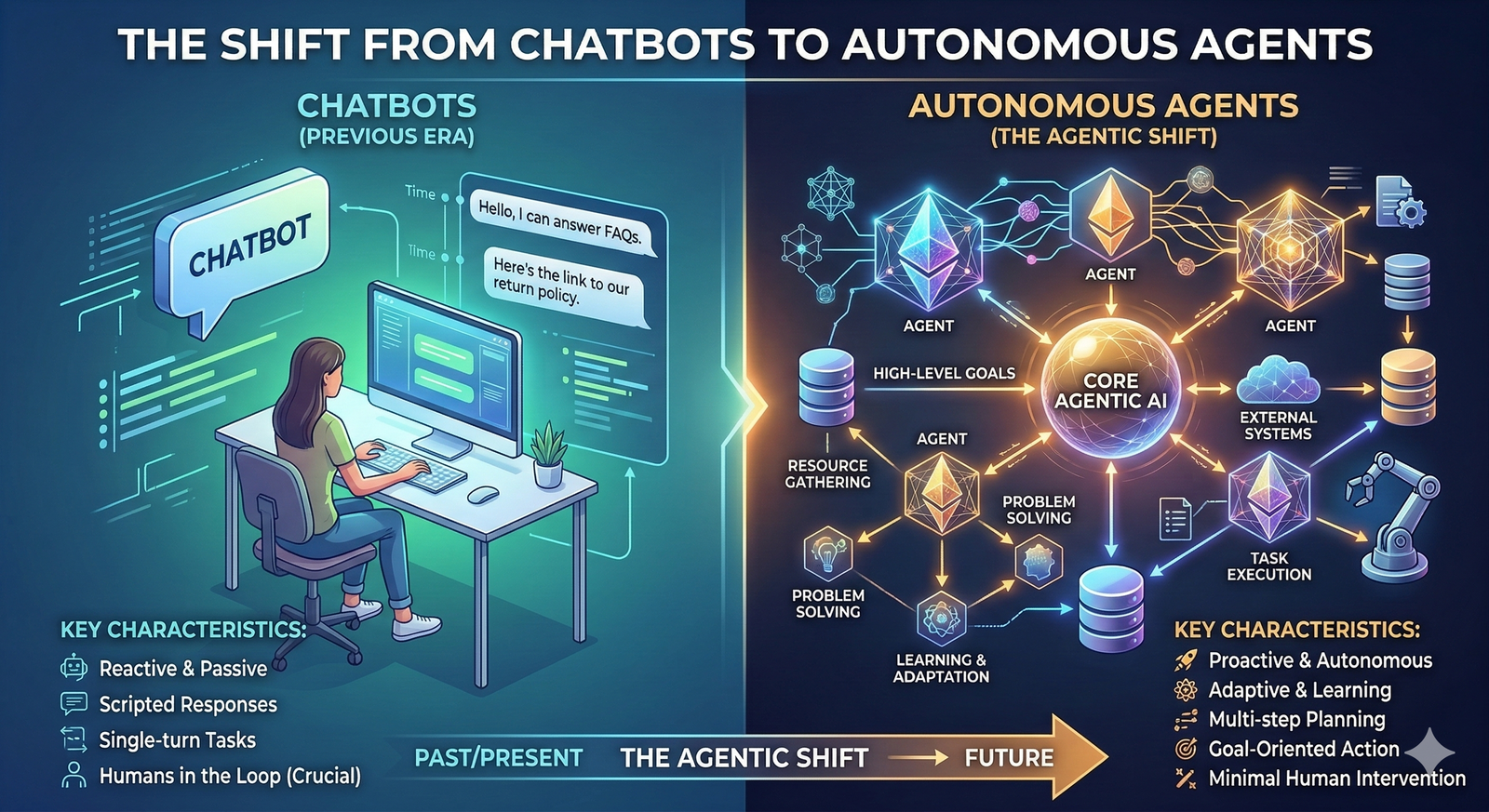
In 2026, the "Lead Form" is being replaced by Agentic AI Chatbots. These aren't the basic scripted bots of 2024; they are autonomous agents capable of complex reasoning.
| Old Lead Gen (2024) | New Agentic Lead Gen (2026) |
| Static contact forms with 5–10 fields. | Conversational Quizzes that qualify leads through natural dialogue. |
| Manual lead scoring based on "Job Title." | Predictive Scoring based on behavior, budget, and decision-making power. |
| Follow-up time: 4–24 hours. | Speed-to-Lead: < 60 seconds. High-intent leads are routed directly to a live agent or calendar. |
3. The 2026 Tech Stack: Precision Over Reach
Scaling your lead generation now requires a "modular" stack where different AI tools handle specific parts of the funnel.
Clay: The ultimate "Data Engine." It pulls from 50+ sources to enrich leads with personalized details that make your outreach feel 100% human.
Apollo.io: Still the gold standard for B2B databases, but now used primarily for Predictive Account Scoring to find "Lookalike" leads that mirror your best clients.
Agentforce (Salesforce) / Microsoft Copilot: These enterprise agents now live inside your CRM, automatically drafting follow-ups and summarizing meeting prep so your reps can focus on Social Selling.
4. Generative Engine Optimization (GEO): The New Inbound
In 2026, 80% of tech buyers use ChatGPT, Gemini, or Perplexity to research vendors before visiting a website. If you want leads to find you, you must optimize for these "Answer Engines."
AI-Parsable Content: Structure your case studies with clear data, FAQs, and bulleted definitions. If an AI assistant can easily "digest" your expertise, it will cite your brand as the top recommendation.
Topical Authority: AI search prioritizes clarity over keywords. Instead of writing for "B2B lead gen," write for "Scaling B2B lead gen via intent data orchestration."
Multimodal Discovery: Your LinkedIn videos and TikTok micro-demos are now indexed in "Social Search." Captioned, high-value video is the fastest way to build the trust needed for a lead to convert.
5. 2026 SEO Strategy: Ranking for "Decision-Ready" Keywords
SEO in 2026 has moved away from "Traffic" and toward "Pipeline Value."
Target Long-Tail Intent: Focus on keywords like "AI marketing automation vs. manual workflows for SaaS" rather than just "marketing automation."
Structured Data is Mandatory: Use JSON-LD to mark up your product features and reviews. This acts as a "nutrition label" that AI agents use to compare you against competitors.
Zero-Click Content: Provide the answer immediately in your H2/H3 tags. In 2026, the goal is to be the Answer, not just the link.
Summary: Lead Gen is a Strategic Growth Engine
In 2026, lead generation is no longer a separate marketing activity; it is a continuous conversation powered by AI but driven by human strategy. By focusing on Intent and Quality over raw volume, you ensure your sales team spends 100% of their time talking to prospects who are actually ready to buy.