(1).png)


What is Hyper-Personalized Learning in 2026?
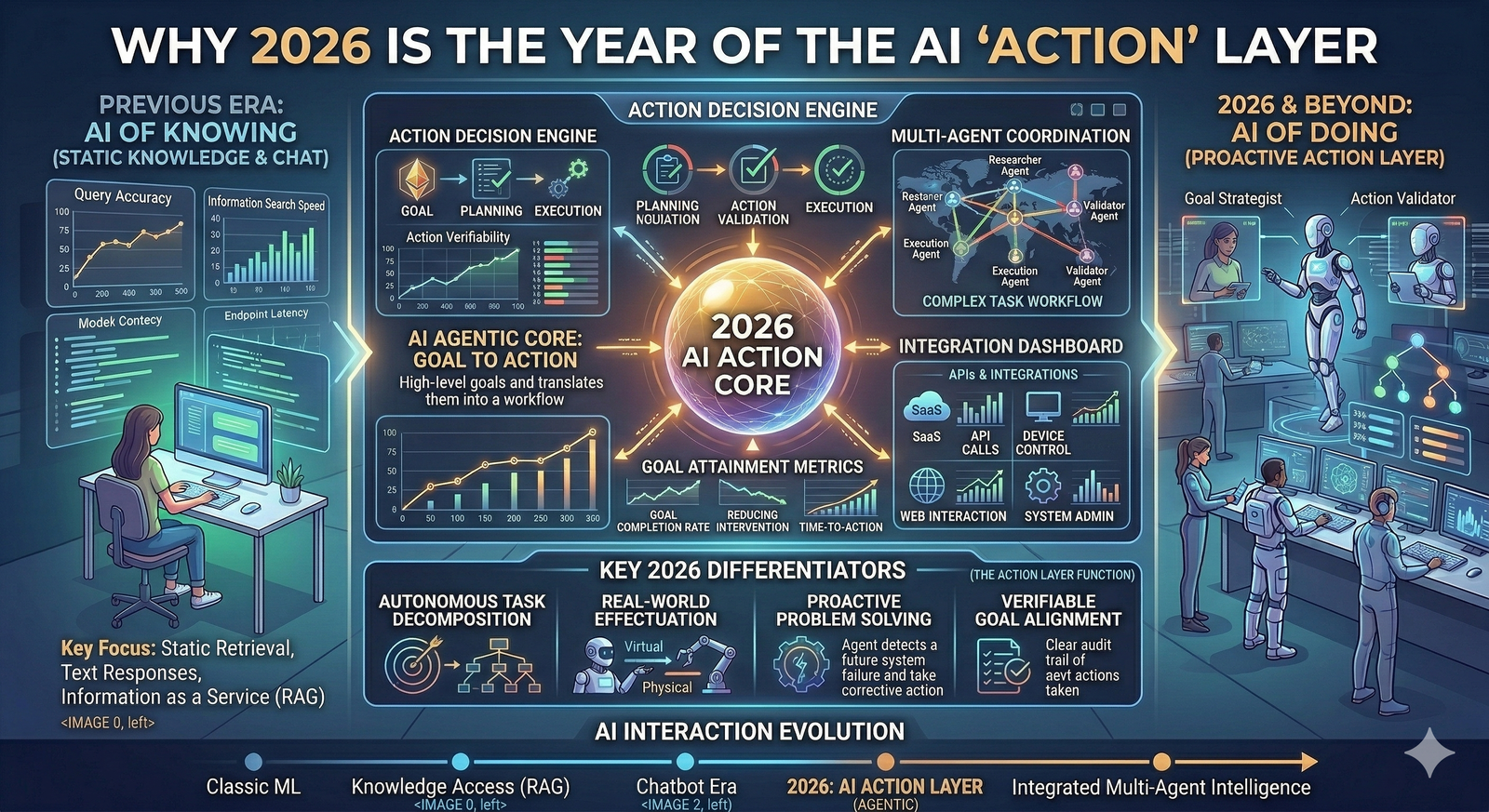
Hyper-personalization goes beyond simple recommendations. It uses Agentic AI—autonomous systems that monitor a student's micro-behaviors in real-time.
If a student hesitates on a specific geometry theorem for more than 30 seconds, the AI doesn't just wait for them to fail a quiz. It intervenes instantly, perhaps by switching the explanation from a text-based format to a 3D interactive simulation that matches that student's preferred learning modality.
3 Pillars of the 2026 Classroom
1. Agentic AI Tutors (The "Always-On" Coach)
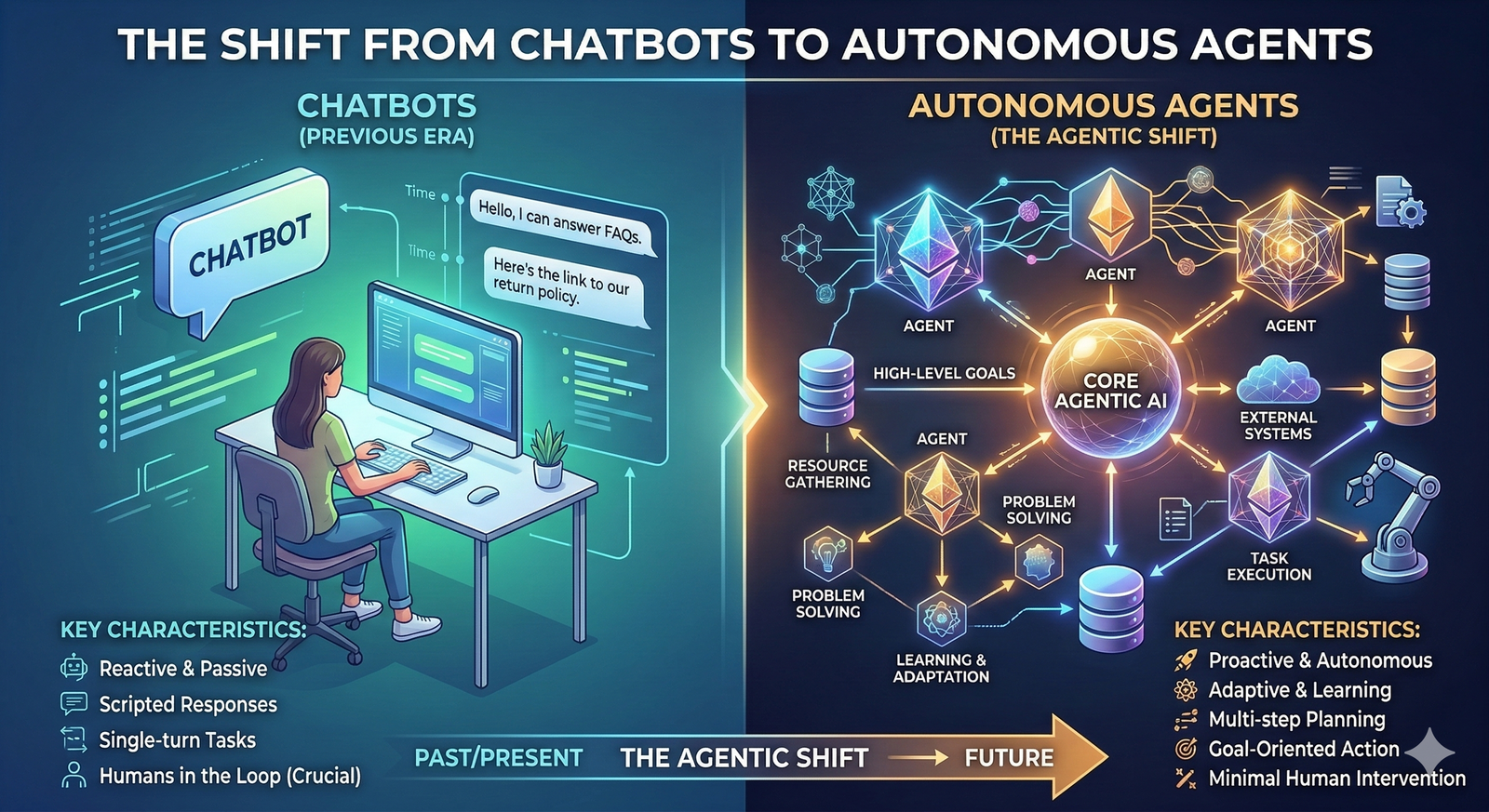
Chatbots have evolved into Educational Agents. Unlike the reactive bots of 2024, 2026 agents like Kyron Learning or Khan Academy’s Khanmigo 3.0 have "educational agency."
Proactive Intervention: They detect "frustration walls" before a student gives up.
Multimodal Support: Students can speak, draw, or upload photos of their handwritten work, and the AI provides verbal, visual, or haptic feedback.
2. Predictive Analytics & the "Safety Net"
For universities, student "churn" (dropout rate) was the greatest threat of the 2020s. In 2026, data has become a predictive safety net.
Early Warning Systems: By analyzing response latency and login consistency, platforms can now predict a student's risk of failing a course 3 to 4 weeks before it happens.
Outcome-Based Pivot: Market valuation in EdTech has shifted from "Content Libraries" to "Outcome Orchestrators." Success is measured by mastery, not just completion.
3. Immersive XR Mastery
Virtual Reality (VR) and Augmented Reality (AR) are now mandatory infrastructure for vocational and STEM training.
Learning by Doing: Whether it’s high-stakes surgical training or industrial safety, 2026 simulations allow a student to fail 100 times in a "photorealistic" virtual environment to ensure 100% success in the real one.
Top Hyper-Personalized Platforms for 2026
| Platform | Best For | Key AI Feature |
| Canvas / Blackboard | K-12 & Higher Ed | SpeedGrader AI & Real-time performance dashboards. |
| Docebo / Absorb LMS | Corporate L&D | SkillsDNA™; mapping employee skills to career paths. |
| Knewton Alta | College Math & Science | Adaptive Assignments that adjust difficulty mid-session. |
| LearnSpark | Homeschooling & Tutors | AI-powered lesson plans that reduce planning time by 90%. |
| Sana Labs | Enterprise Training | Personal AI Tutors that summarize internal company wikis. |
The "Privacy Paradox": Ethical Guardrails in 2026
Hyper-personalization requires data—lots of it. This has created a "Privacy Paradox" that schools must navigate under the EU AI Act and GDPR 2026 updates.
Synthetic Data: To protect student identity, many platforms now use AI-generated Synthetic Datasets to train their models, ensuring personal info never leaves the secure school server.
Cognitive Agency: Regulators are now focused on "protecting human agency," ensuring that AI doesn't become a "crutch" that prevents students from developing independent critical thinking.
Bias Audits: 2026 standards require "Diversity-by-Design," ensuring that learning paths are equally effective for students regardless of their socioeconomic or geographic background.
Summary: From "Teacher-Led" to "Learner-Centered"
In 2026, the best learning tools are the ones that disappear into the background. By providing a custom-tailored path for every child and adult, we aren't just teaching better; we are democratizing excellence.