(1).png)


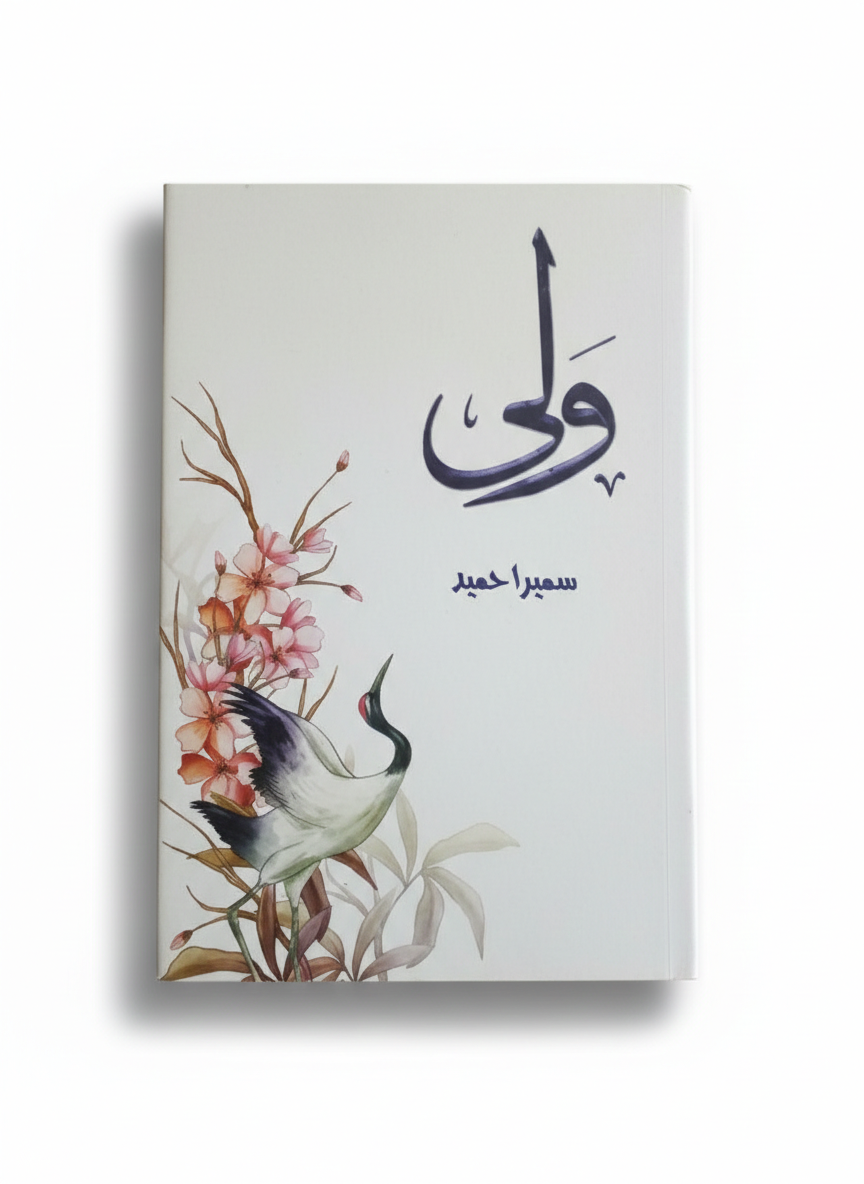
Rah-e-Noor
Introduction
Here’s the thing. Rah-e-Noor is a spiritually reflective Urdu novel that explores hope, guidance, and moral clarity in the face of life’s challenges. It is less about external drama and more about inner transformation, faith, and the search for light in difficult times.
The novel encourages readers to seek understanding and patience through trials.
About the Author
Rah-e-Noor is written by Sumera Hameed, known for her emotionally and spiritually rich narratives. She often blends introspection, ethical questions, and personal growth into her stories.
What the Novel Is About
The story follows characters navigating life’s obstacles while trying to maintain moral and spiritual integrity. It examines how hope and self-awareness guide decisions and nurture resilience.
The novel’s title, meaning "Path of Light," symbolizes the journey from confusion and hardship toward clarity and inner peace.
Key Themes
1. Faith and Guidance
The novel emphasizes the importance of faith and ethical guidance in shaping one’s life.
2. Hope in Adversity
Rah-e-Noor shows how optimism and perseverance can sustain a person through trials.
3. Moral and Ethical Growth
Decisions are framed around integrity, responsibility, and self-reflection.
4. Personal Transformation
The characters experience change not suddenly, but through consistent reflection and learning.
5. Inner Peace
Ultimately, the novel underscores that true peace comes from moral clarity and understanding.
Why This Novel Matters
What this really means is that Rah-e-Noor resonates with readers seeking spiritual insight and emotional guidance.
It provides lessons on patience, resilience, and the power of hope.
Who Should Read It
Readers interested in spiritually reflective Urdu fiction
Those seeking moral and emotional growth through literature
Fans of introspective, character-driven narratives
Final Thoughts
Rah-e-Noor is thoughtful, inspiring, and emotionally grounded.
It reminds us that the journey toward clarity and light is as important as the destination itself.