(1).png)


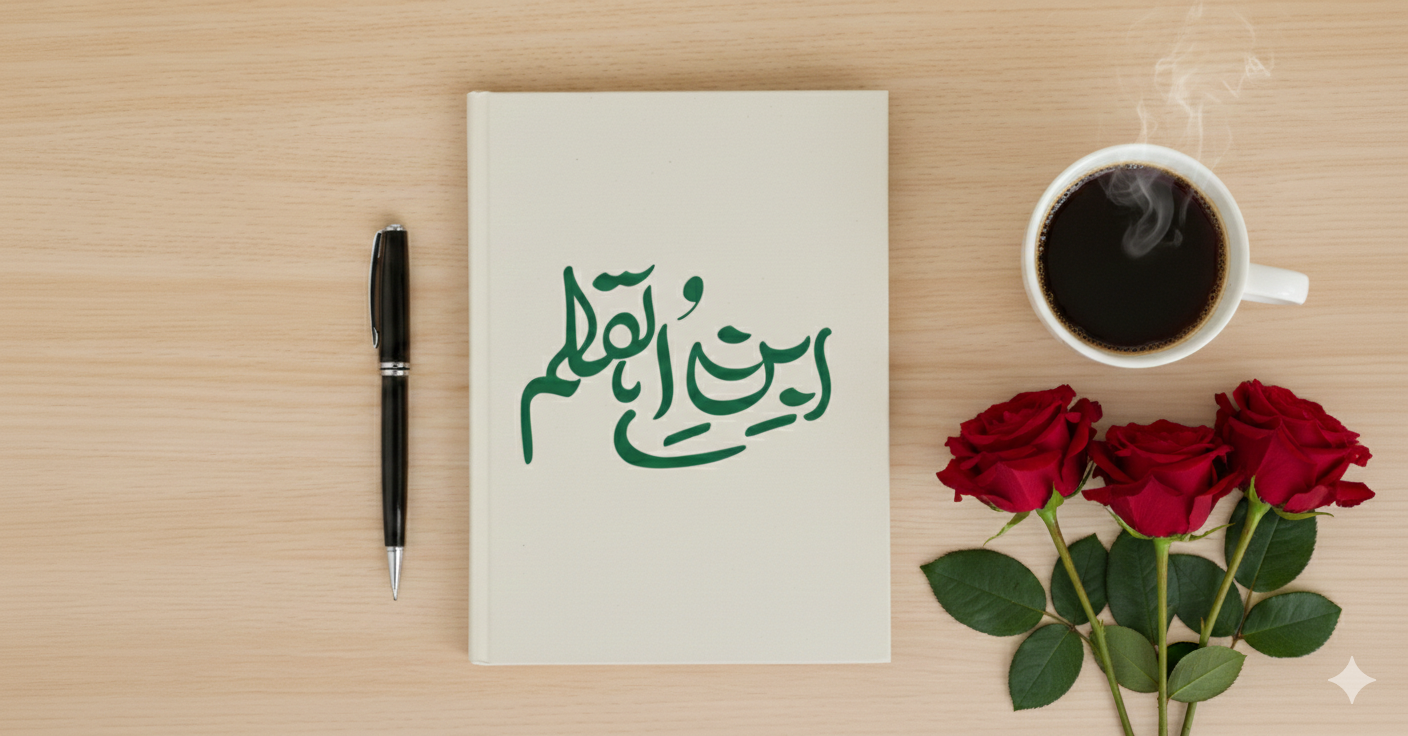
Imaan, Umeed aur Mohabbat
Introduction
Here’s the thing. Imaan, Umeed aur Mohabbat is a novel about moral strength in a fractured world. It explores how faith, hope, and love are tested under social pressure, personal loss, and ethical compromise.
The story is grounded, realistic, and emotionally restrained, which makes its impact deeper.
About the Author
Imaan, Umeed aur Mohabbat is written by Umera Ahmed, a leading voice in contemporary Urdu literature. Her writing often examines faith, character, and moral choices through everyday human struggles.
What the Novel Is About
The novel follows characters caught between belief and doubt, ideals and reality. It reflects on how difficult it is to hold onto values when society rewards shortcuts and silence.
Rather than dramatic twists, the novel focuses on internal conflict. Faith is not portrayed as perfection, but as effort. Hope is fragile. Love is quiet, patient, and principled.
Key Themes
1. Faith Under Pressure
The novel presents faith as a conscious choice made repeatedly, especially when circumstances make compromise easier.
2. Hope as Resistance
Hope is not blind optimism here. It is endurance. A refusal to surrender despite uncertainty.
3. Ethical Love
Love in the novel is restrained and moral. It is not driven by desire, but by responsibility and respect.
4. Social Reality
The story reflects real societal pressures where integrity often feels costly and inconvenient.
5. Inner Accountability
Characters are judged less by outcomes and more by intentions and choices.
Why This Novel Matters
What this really means is that Imaan, Umeed aur Mohabbat speaks to readers who feel conflicted between ideals and survival. It reminds us that values lose meaning only when we abandon them.
Its relevance lies in its quiet realism and moral clarity.
Who Should Read It
Readers interested in faith-based and ethical fiction
Those who appreciate subtle, reflective storytelling
Anyone drawn to character-driven Urdu literature
Final Thoughts
Imaan, Umeed aur Mohabbat is calm, thoughtful, and principled. It doesn’t shout its message. It trusts the reader to listen.
At its core, the novel delivers a simple truth: faith, hope, and love survive through conscious choice, not convenience.