(1).png)


The True Cost of a Data Breach in 2026: More Than Just a Fine
If you think the "cost" of a breach is simply the ransom payment or a regulatory fine, you are seeing less than 40% of the picture. According to recent 2026 industry data, the global average cost of a data breach has hit $4.88 million, a record high.
But for businesses in 2026, the real damage lies in the "long tail"—the expenses that continue to bleed a company dry for years after the hackers have left.
1. The "Triple Penalty" of Regulated Industries
In 2026, sectors like Healthcare and Finance face the highest costs, often exceeding $10 million per incident. These industries suffer from what experts call the "Triple Penalty":
Extreme Regulatory Fines: Under frameworks like GDPR and NIS2, fines can reach 4% of global annual turnover.
High Black-Market Value: Medical and financial records are the "gold" of the dark web, making recovery and monitoring more expensive.
Critical Operational Downtime: In healthcare, a breach isn't just a data loss; it’s a life-safety issue that halts surgeries and patient care.
2. The "Hidden" Operational Drain
Beyond the immediate "firefighting" costs, a breach triggers a massive internal slowdown:
Lost Productivity: Employees spend hundreds of hours on forensic investigations and re-imaging systems instead of growing the business.
The Strategic "Freeze": Companies that suffer breaches in 2026 often postpone cloud migrations and AI initiatives by 15–30%, losing their competitive edge to more secure rivals.
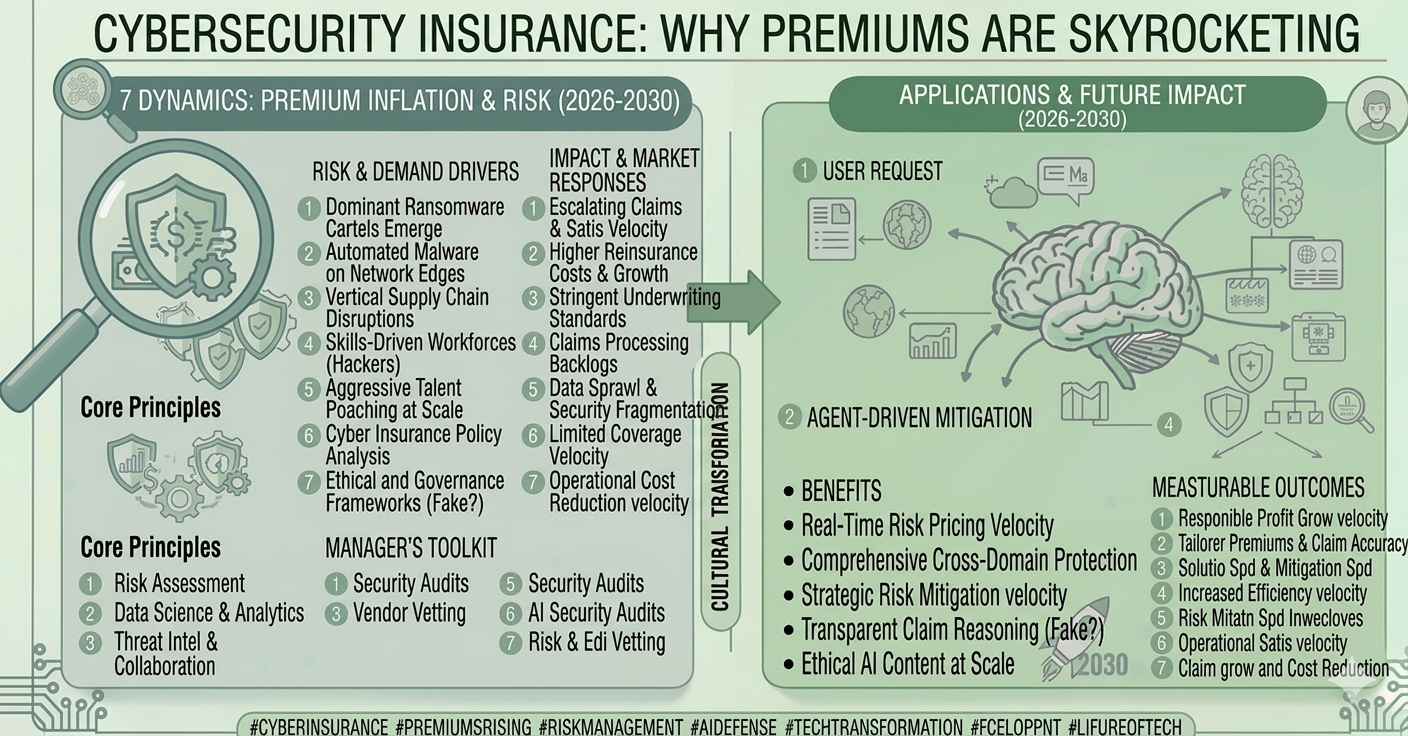
Increased Insurance Premiums: Following an incident, cyber insurance premiums can spike by 50% or more, assuming you can even find a carrier willing to renew your policy.
3. Brand Decay and "Ghost Churn"
The most insidious cost is the loss of Customer Life-Time Value (LTV).
Trust Degradation: 2026 research suggests that 85% of customers stop engaging with a brand after a breach.
Ghost Churn: Many users don't leave immediately; they simply "cool off" toward the product, resulting in a 3–7% increase in churn that marketing teams struggle to explain months later.
The 2026 Cost Drivers: What Makes It More Expensive?
Not all breaches are created equal. These factors are currently the biggest cost "multipliers":
The "Patch Gap": Organizations that take longer than 200 days to identify a breach pay an average of $1.14 million more than those who catch it early.
Shadow AI: The unauthorized use of AI tools by employees adds an average of $200,000 to the cost of a breach due to the complexity of tracking leaked data.
Remote Work Factor: Breaches involving remote work environments cost an average of $131,000 more due to fragmented security perimeters.
How to Lower the Bill: The ROSI (Return on Security Investment)
The news isn't all bad. Organizations that invest in AI-powered security automation in 2026 see average savings of $1.9 million per incident.