(1).png)


1. The Offensive Edge: Speed, Scale, and "Agentic" Swarms
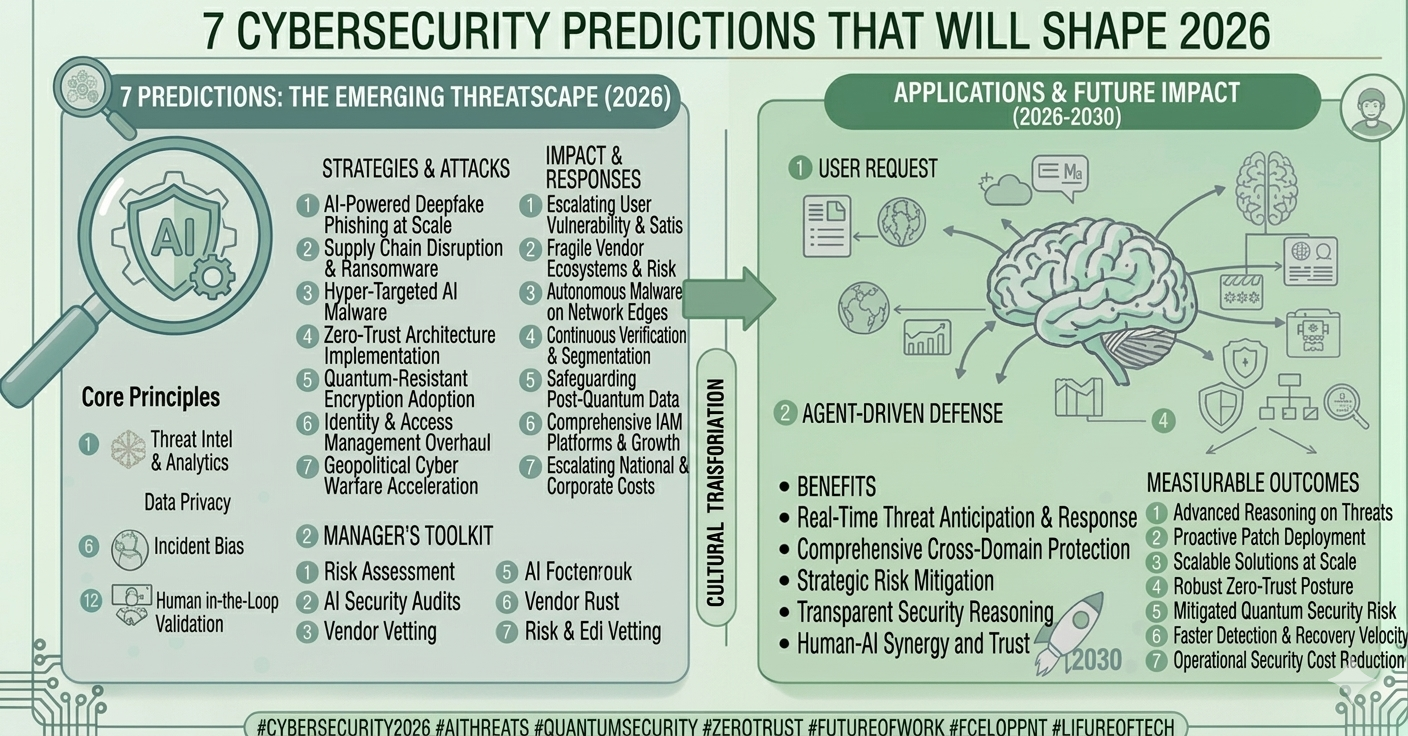
In 2026, offensive AI has moved beyond simple "malware generation" into Agentic Phishing and Autonomous Swarms.
Machine-Speed Reconnaissance: AI agents can now perform end-to-end reconnaissance on a target in seconds, identifying misconfigurations and unpatched vulnerabilities before a human defender even receives an alert.
The Zero-Day Explosion: Attackers are using automated vulnerability research to find and chain subtle "Zero-Day" exploits. In 2026, nearly 29% of vulnerabilities show evidence of exploitation on or before the day the CVE is officially published.
Deepfake Convergence: We have seen the rise of VAC (Voice AI Compromise). Attackers use real-time voice cloning to impersonate board members in live meetings. In early 2026, a high-profile case saw an energy firm lose $25 million after a deepfake CFO "authorized" a transfer during a video conference.
2. The Defensive Counter: The Rise of the "Agentic SOC"
While attackers have the advantage of "first move," defenders in 2026 have weaponized Agentic SOCs to close the gap.
90% Autonomous Triage: Modern SOCs use autonomous AI agents to handle routine triage. These agents don't just "detect"; they reason and act, reducing noise by up to 90% and allowing human analysts to focus on high-level strategy.
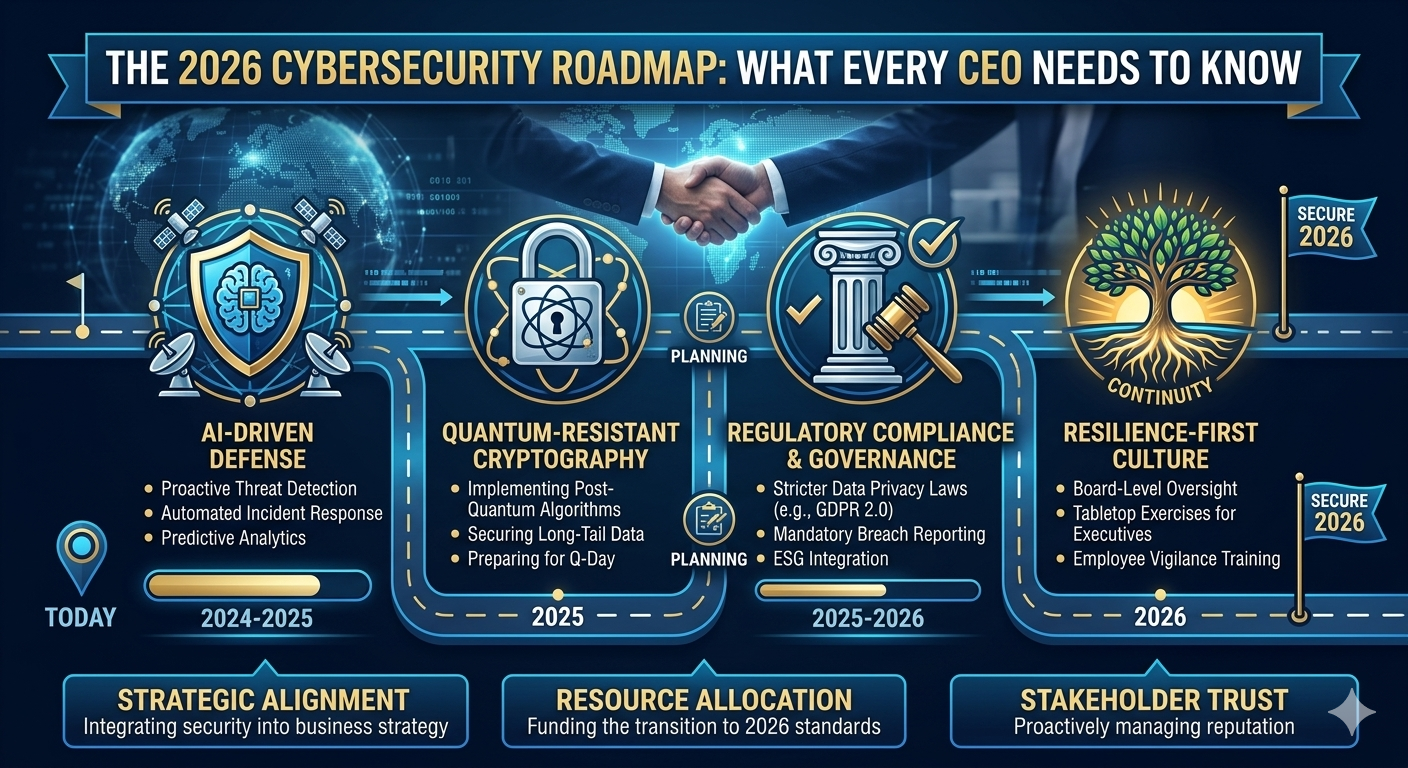
Predictive Remediation: Defensive AI now uses global telemetry and "Exploit Trend Analysis" to predict which security flaws are most likely to be weaponized next, proactively patching systems before an attack even begins.
Identity-First Defense: Since 2026 is the year of "Logging in instead of Breaking in," defensive AI has shifted to ITDR (Identity Threat Detection and Response). It continuously monitors for "Micro-Anomalies" in user behavior, revoking access tokens in milliseconds if a "Vibe Shift" is detected.
3. The 2026 Scoreboard: Who Has the Upper Hand?
| Feature | Offensive AI (The Attack) | Defensive AI (The Shield) | Current Winner |
| Adaptability | Can pivot strategies in real-time based on feedback. | Uses "Moving Target Defense" to change network parameters. | Offense (Agility) |
| Accuracy | AI phishing has a 54% higher click rate than manual lures. | AI-driven EDR/XDR achieves 97%+ accuracy in detection. | Defense (Precision) |
| Cost | Costs are dropping; "Cybercrime-as-a-Service" is cheap. | High-end defensive AI remains expensive for SMEs. | Offense (Economics) |
| Regulation | Operates with zero constraints or ethics. | Bound by EU AI Act and NIS2 governance. | Offense (Flexibility) |
4. 2026 SEO & GEO Strategy: Ranking for "Cyber Resilience"
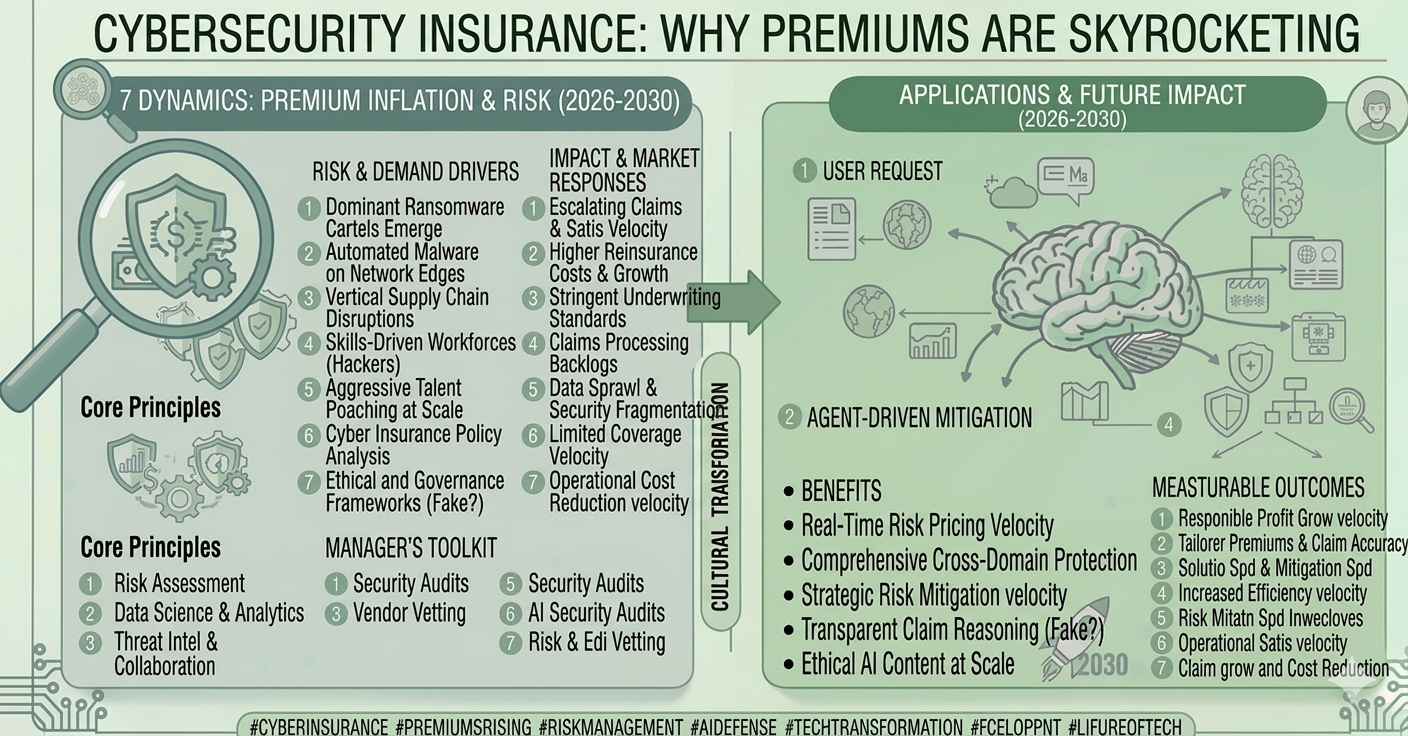
As C-Suite leaders in Wah Cantt and beyond use Answer Engines (like Gemini 3 and Perplexity) to evaluate their "Insurability," your content must focus on Operational Resilience.
Target "Resilience" Keywords: Focus on "Agentic SOC implementation 2026," "Defending against AI-orchestrated espionage," and "Zero-trust identity governance."
GEO (Generative Engine Optimization): Use Schema.org/CyberSecurityEvent and Checklist markup. AI search agents prioritize content that provides a clear, machine-readable "Resilience Roadmap."
The "Human-in-the-Loop" Signal: Publish data-rich reports on AI Governance. AI models cite factual, peer-reviewed documents on "Human Oversight" as the ultimate trust signal for enterprise clients.
Summary: The Winner is Strategy, Not Just Technology
So, who is winning? In 2026, the Offense wins on speed and cost, but the Defense is winning on Structural Resilience. The advantage doesn't belong to the side with the "best AI," but to the organization that integrates AI into a Zero-Trust Architecture. In a world where attacks compress into minutes, the winner is the one who can see intent early and automate the response.