(1).png)


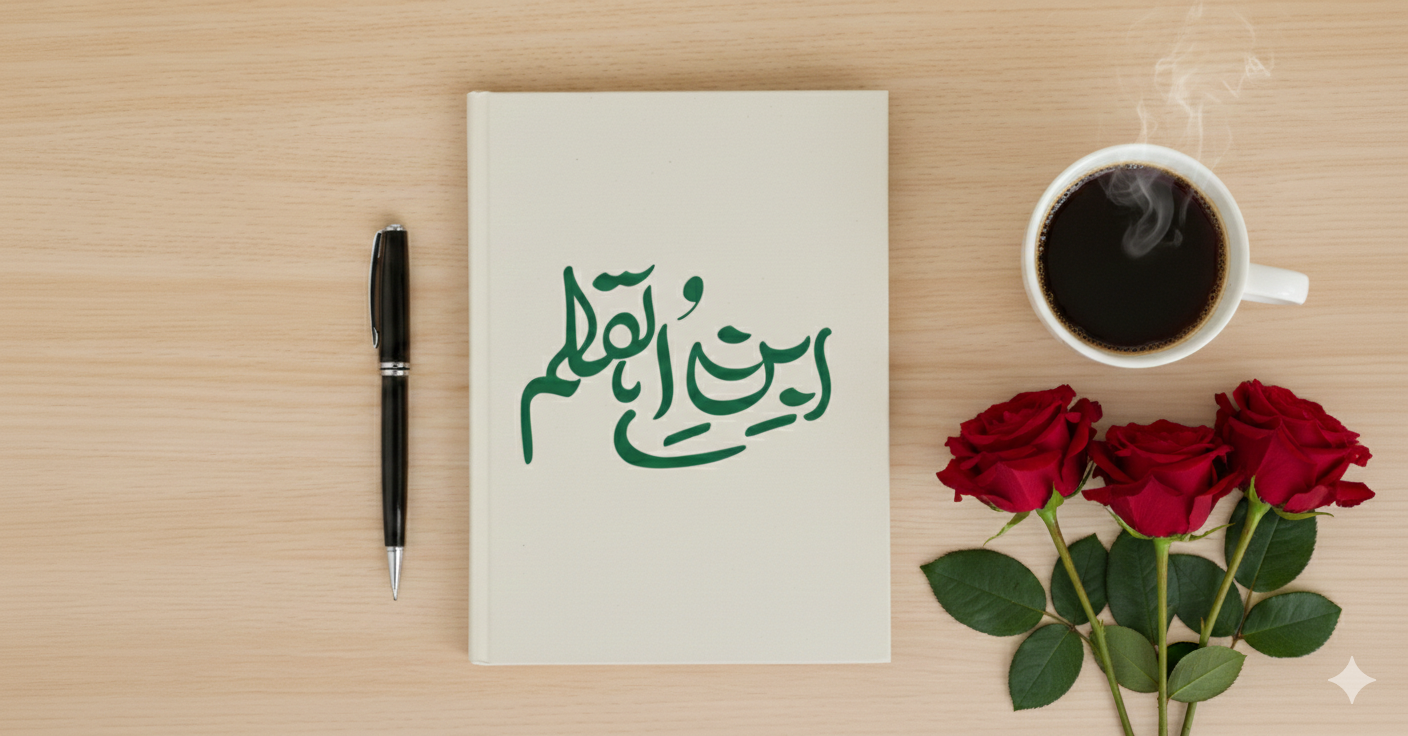
Qaid-e-Tanhai
Introduction
Here’s the thing. Qaid-e-Tanhai is a mature, emotionally layered novel about emotional distance, unspoken resentment, and the loneliness that can exist within marriage. It explores how two people can share a life yet remain strangers to each other.
The novel is quiet, restrained, and deeply introspective.
About the Author
Qaid-e-Tanhai is written by Umera Ahmed, widely respected for her ability to capture psychological realism and emotional complexity. Her work often highlights the inner lives people hide behind social roles.
What the Novel Is About
The story centers on Ayesha, a woman who finds herself emotionally isolated despite being married. Her loneliness is not caused by absence, but by neglect, miscommunication, and unmet emotional needs.
The novel portrays how silence, when prolonged, turns into emotional imprisonment. Love exists, but it is buried under ego, routine, and emotional distance.
Key Themes
1. Emotional Loneliness
Qaid-e-Tanhai shows that loneliness is not always about being alone; sometimes it is about not being understood.
2. Marriage and Emotional Responsibility
The novel emphasizes that marriage requires emotional presence, not just commitment on paper.
3. Miscommunication
Small gaps in communication grow into emotional walls when ignored.
4. Inner Conflict
Ayesha’s struggle is largely internal, making the narrative deeply personal and reflective.
5. Self-Awareness
The story highlights the slow realization of emotional needs and personal boundaries.
Why This Novel Matters
What this really means is that Qaid-e-Tanhai gives language to emotional experiences many people silently endure.
It challenges the assumption that marriage automatically guarantees companionship and questions the cost of emotional neglect.
Who Should Read It
Readers interested in realistic relationship narratives
Those drawn to psychological and emotional fiction
Anyone who values introspective Urdu literature
Final Thoughts
Qaid-e-Tanhai is subtle, painful, and honest.
At its core, the novel reminds readers that emotional neglect can feel like captivity, and that awareness is the first step toward release.